Start with the wind, not the snow
The phrase "four-season" is a marketing convenience. What actually separates a mountaineering shelter from a summer tent is how it behaves in sustained wind and under a snow load — not the temperature rating on the box. If your worst night is 25°F in a sheltered forest campground, a good three-season tent with a full-coverage fly will outperform a heavy expedition shelter, because you'll actually get ventilation instead of a wall of condensation.
Ask yourself one question first: will the tent ever be pitched above treeline, in winter, with nothing upwind of it? If the answer is no, stop reading and buy the lighter tent.
Pole geometry beats fabric specs
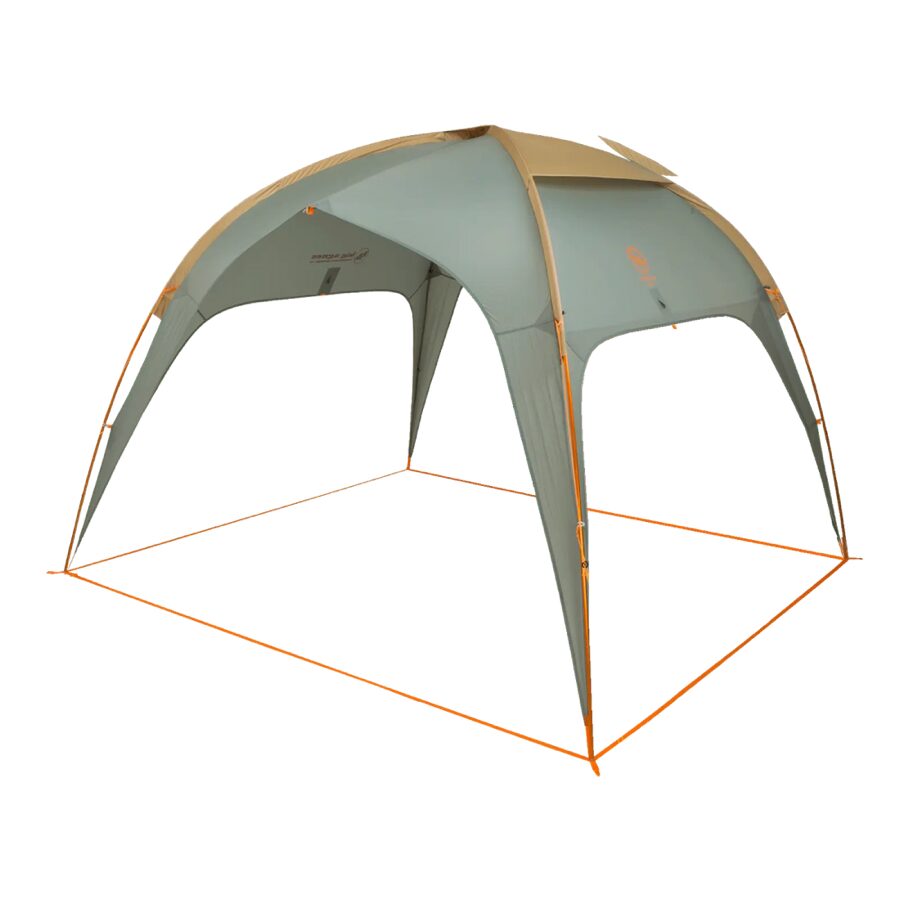
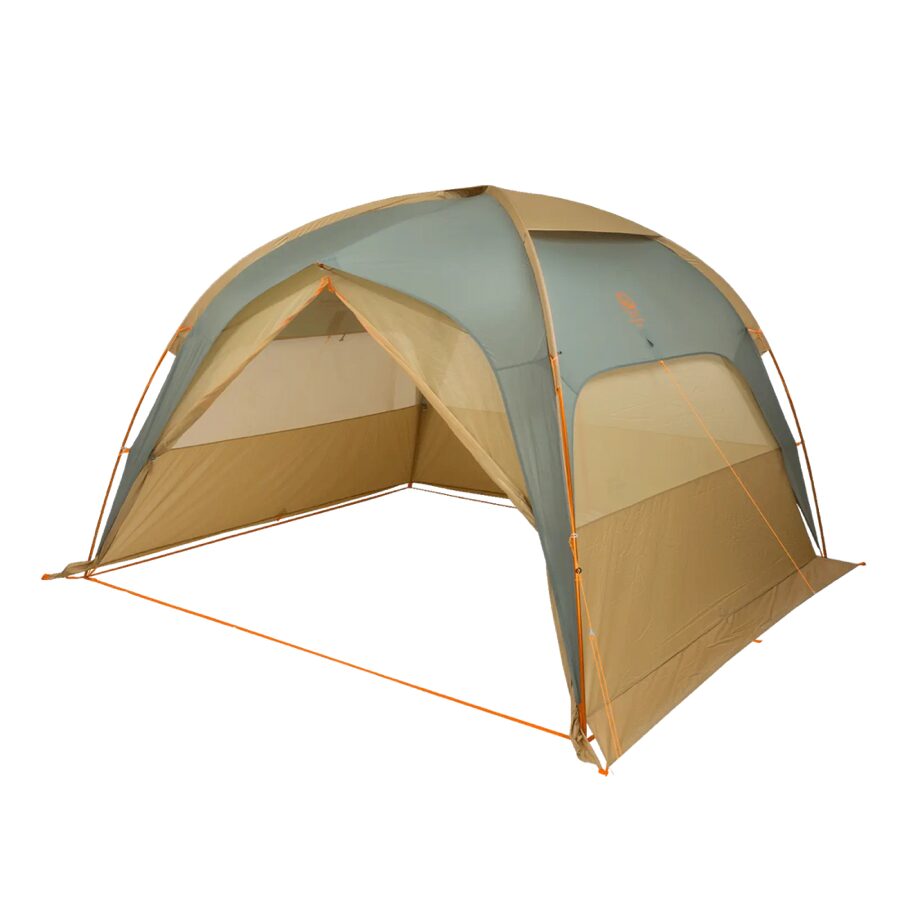
Hydrostatic head numbers are easy to print and hard to feel. Pole architecture is what you notice at 2 a.m. Look for crossing poles that create a self-supporting frame, short unsupported spans, and sleeves rather than clips on the windward panels. A 3000 mm fly on a two-pole tunnel will flap itself to death in gusts that a 1500 mm geodesic shrugs off.
Condensation is a ventilation problem
Two people breathing put roughly a litre of water into the air overnight. In a sealed winter shelter that water has exactly one place to go: your fly, and then your bag. Vents that stay open in driving snow, a fly that reaches the ground without sealing the tent shut, and a well-designed vestibule matter more than any coating.
The weight you'll actually carry
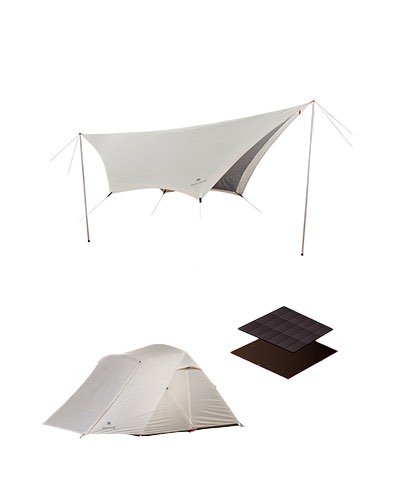
Compare packed weights with everything you'd genuinely bring: footprint, all stakes, guy lines, and the stuff sacks you'll really use. Manufacturers quote minimum trail weight, which usually assumes you left half of it at home. A 400 g difference on paper is often 900 g in your pack.
Our short answer
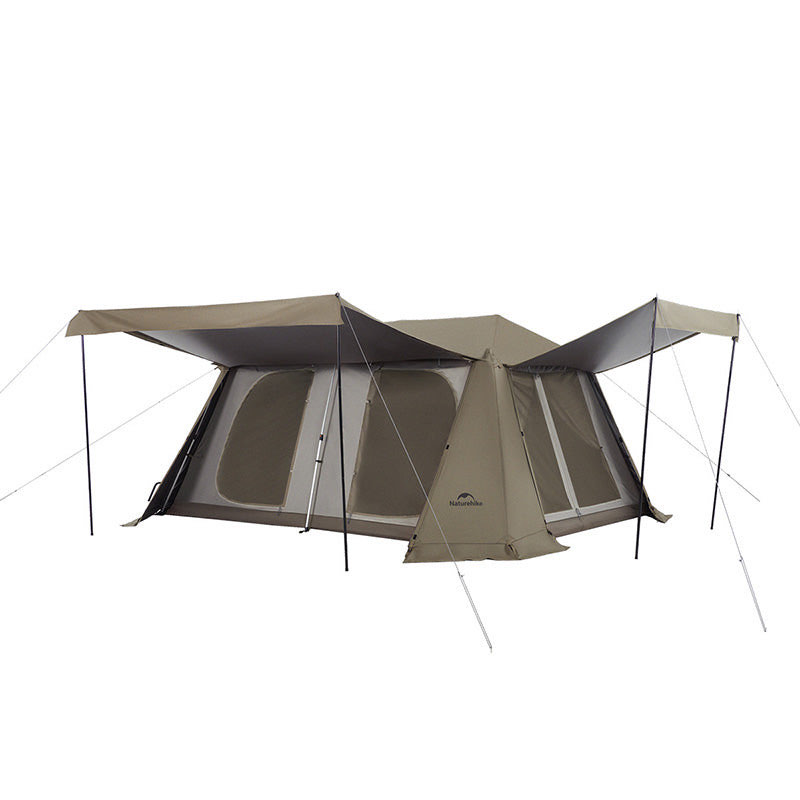
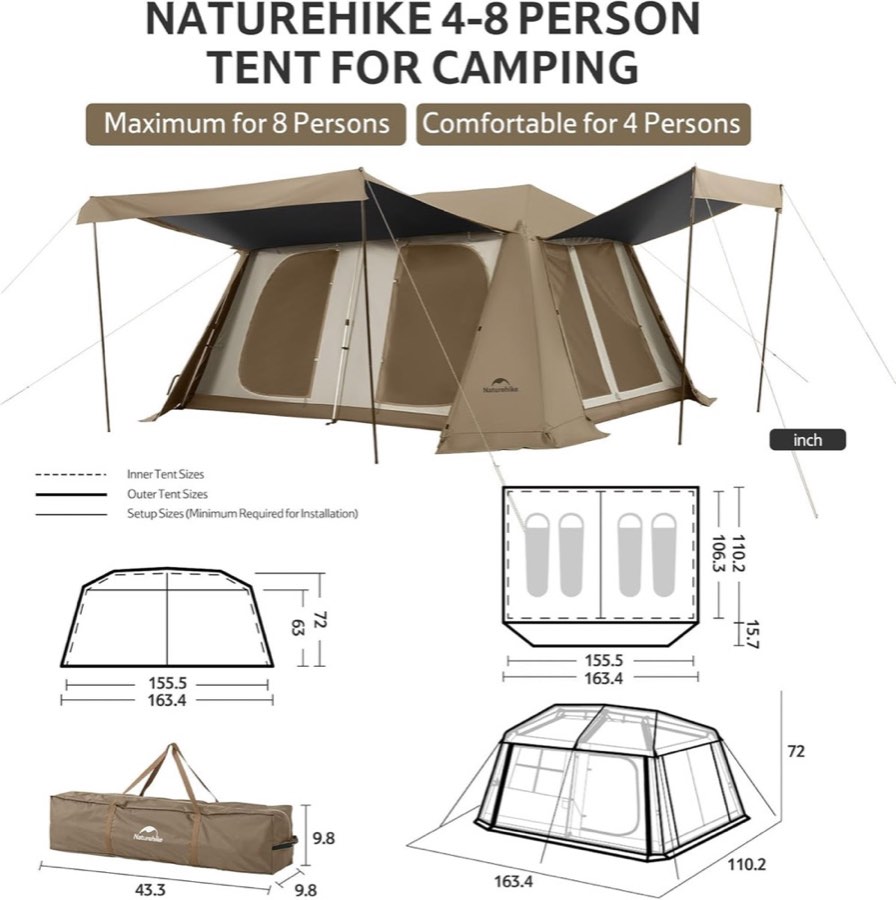
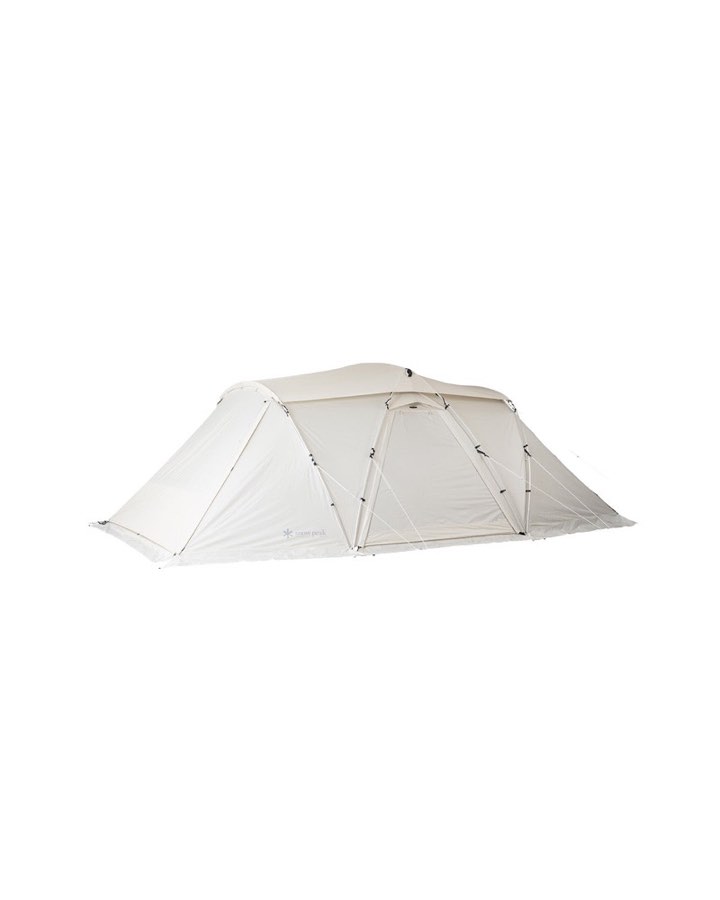
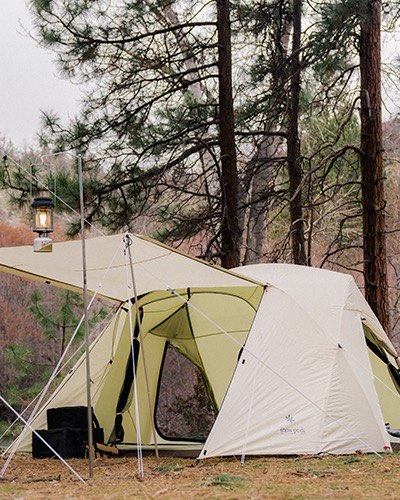
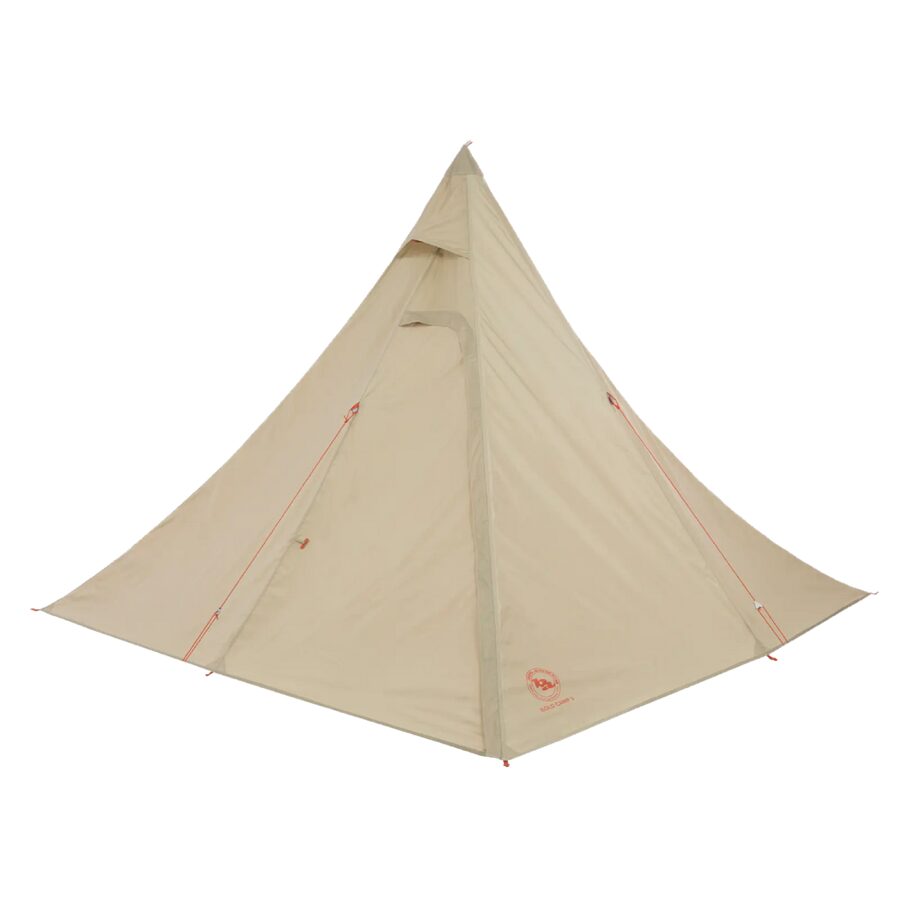
Car camping in shoulder season: a tall cabin or tunnel shelter with a stove jack if you like being warm. Backpacking three seasons: a semi-freestanding double-wall around 1.5 kg. Genuine winter above treeline: a geodesic with four poles, snow flaps, and no mesh in the inner. Buy the third one only when the first two have failed you.