New Launch
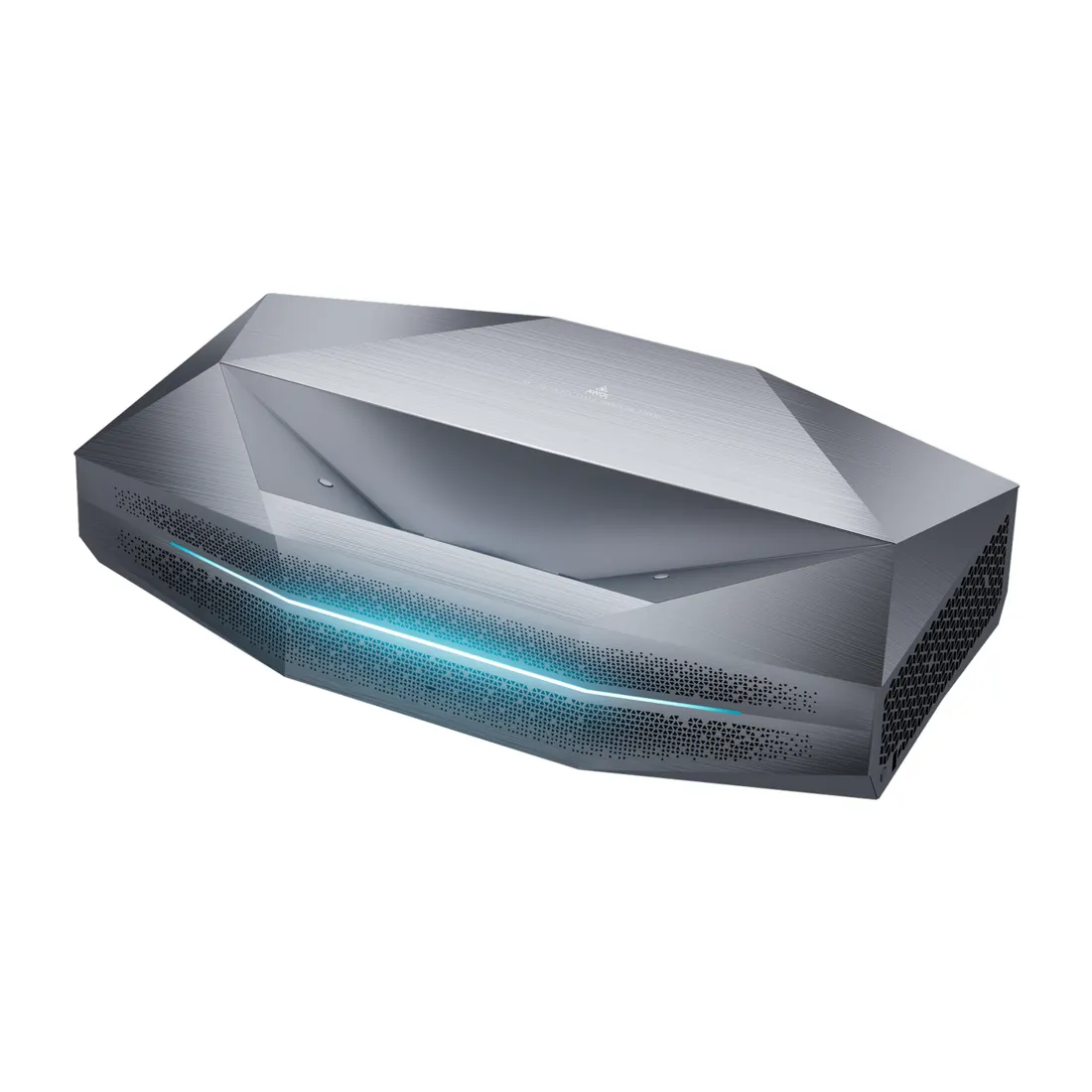
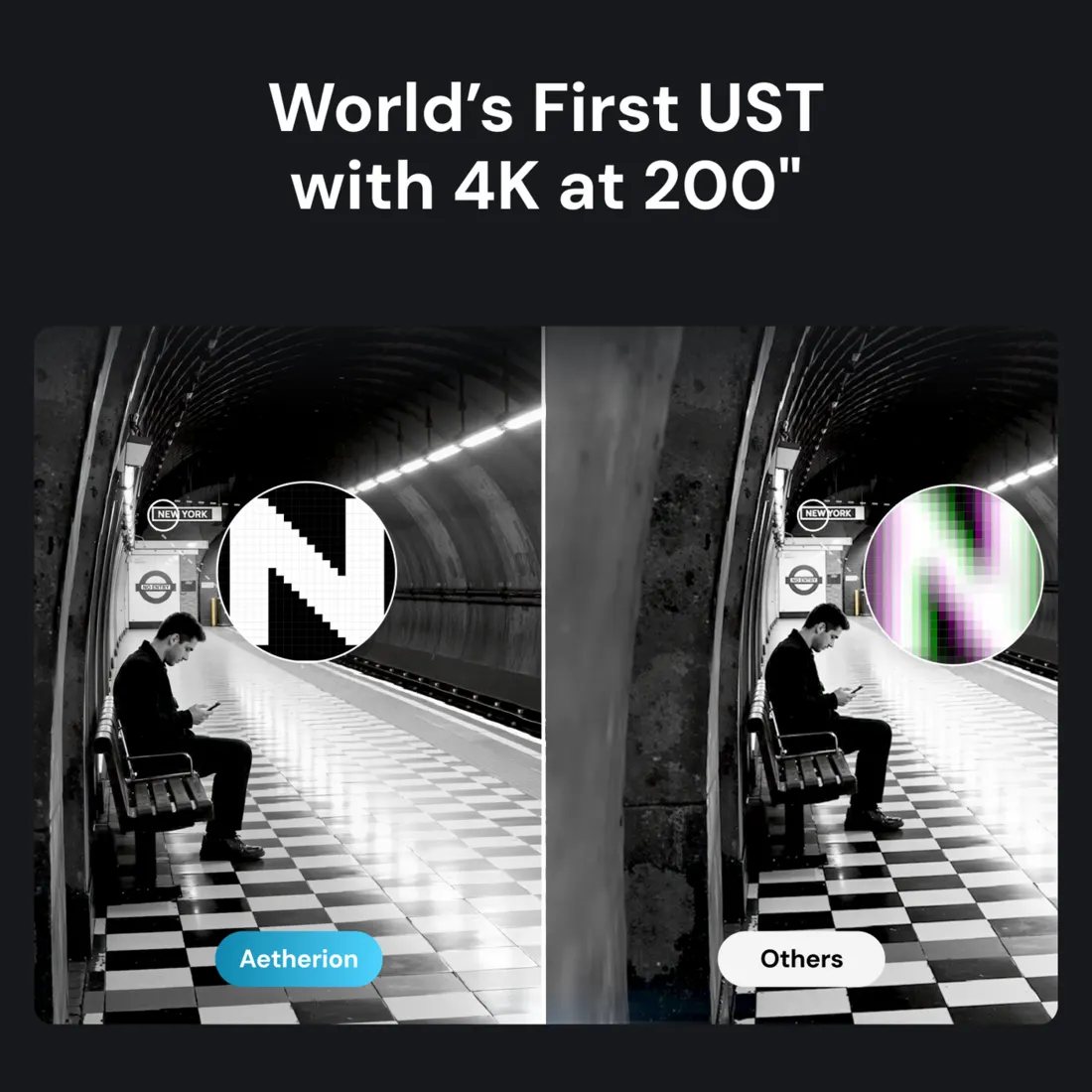
Ambient light, throw distance and seating position rule out more models than budget ever does. Here is what we would put in each room, and why.
A wall you already look at, and light you cannot control.
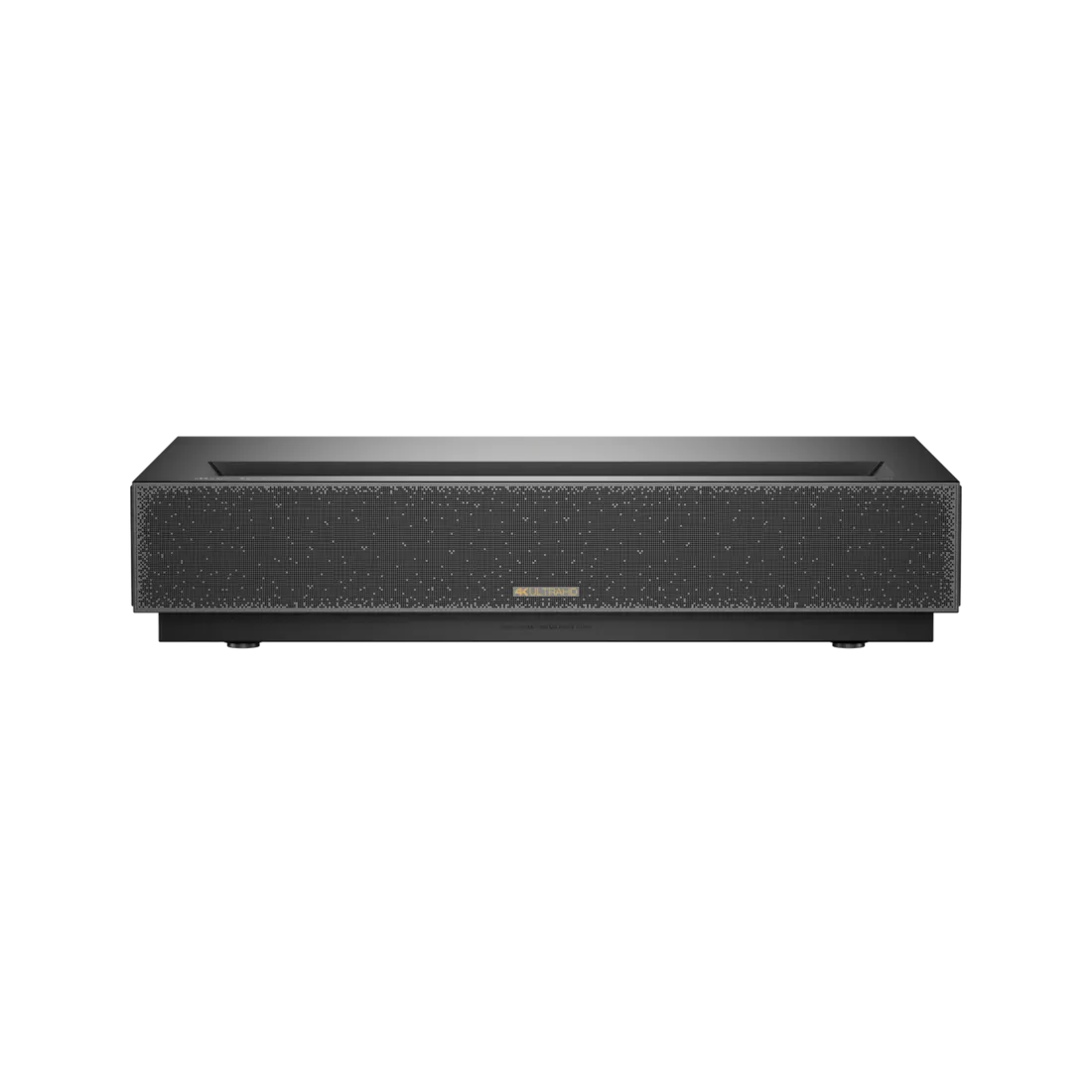
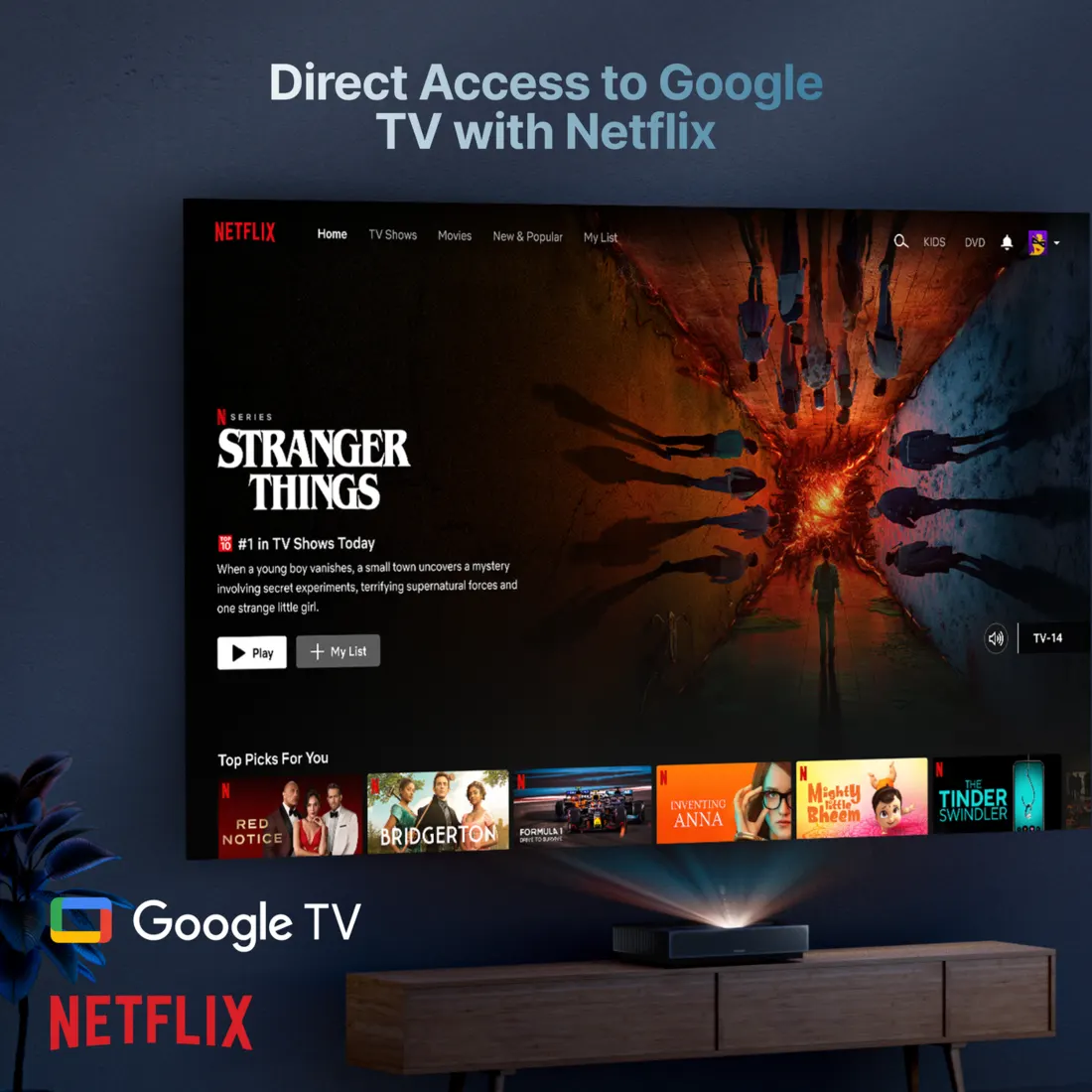
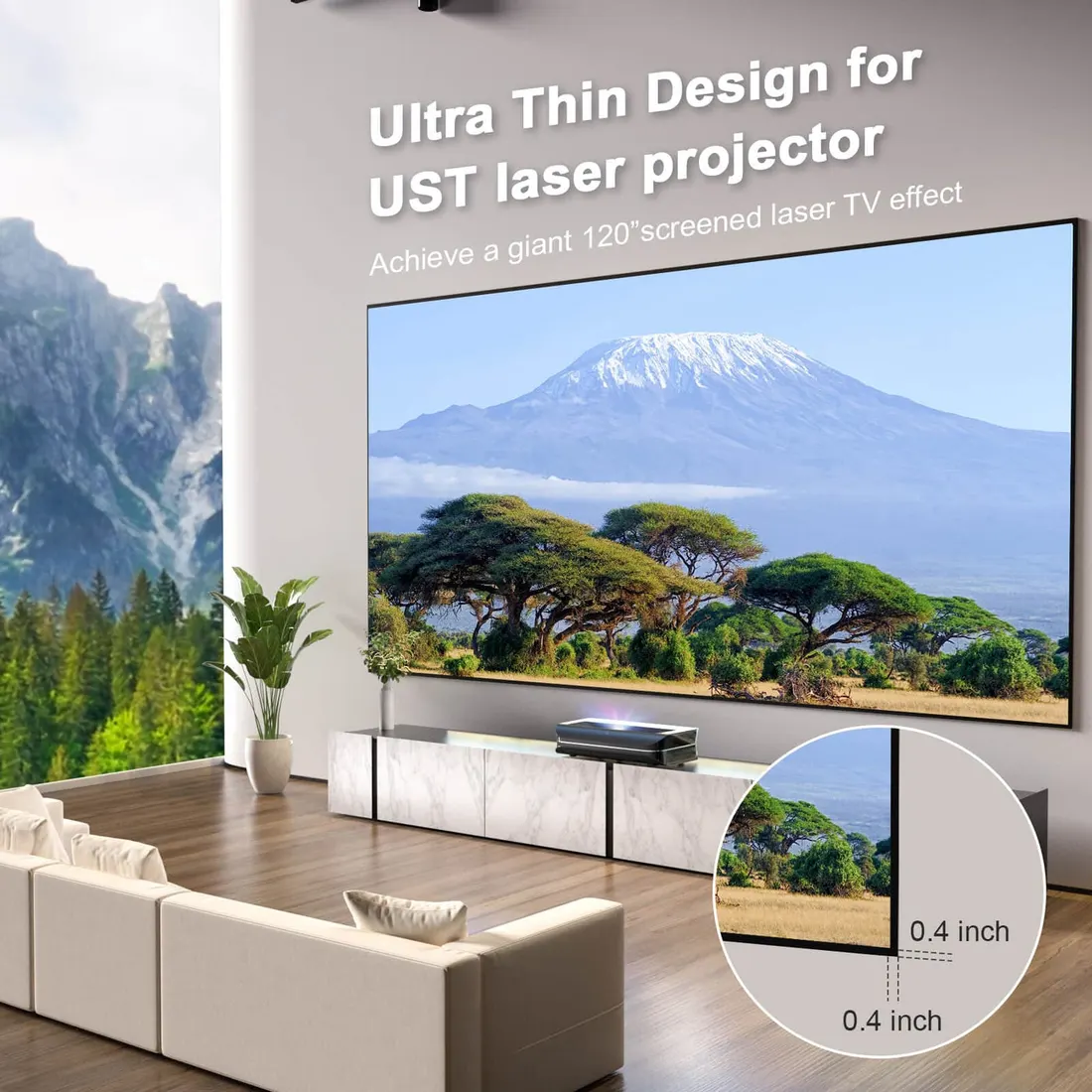
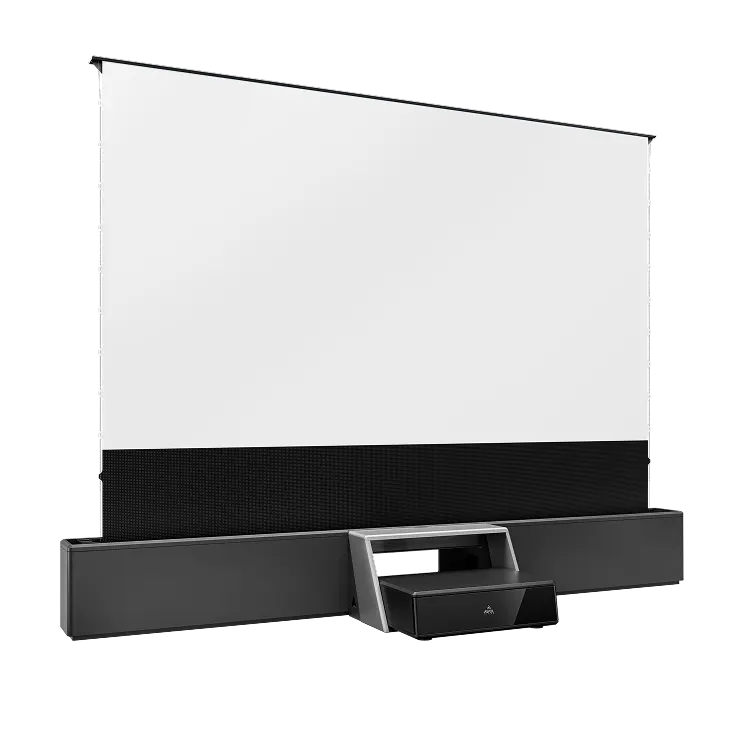
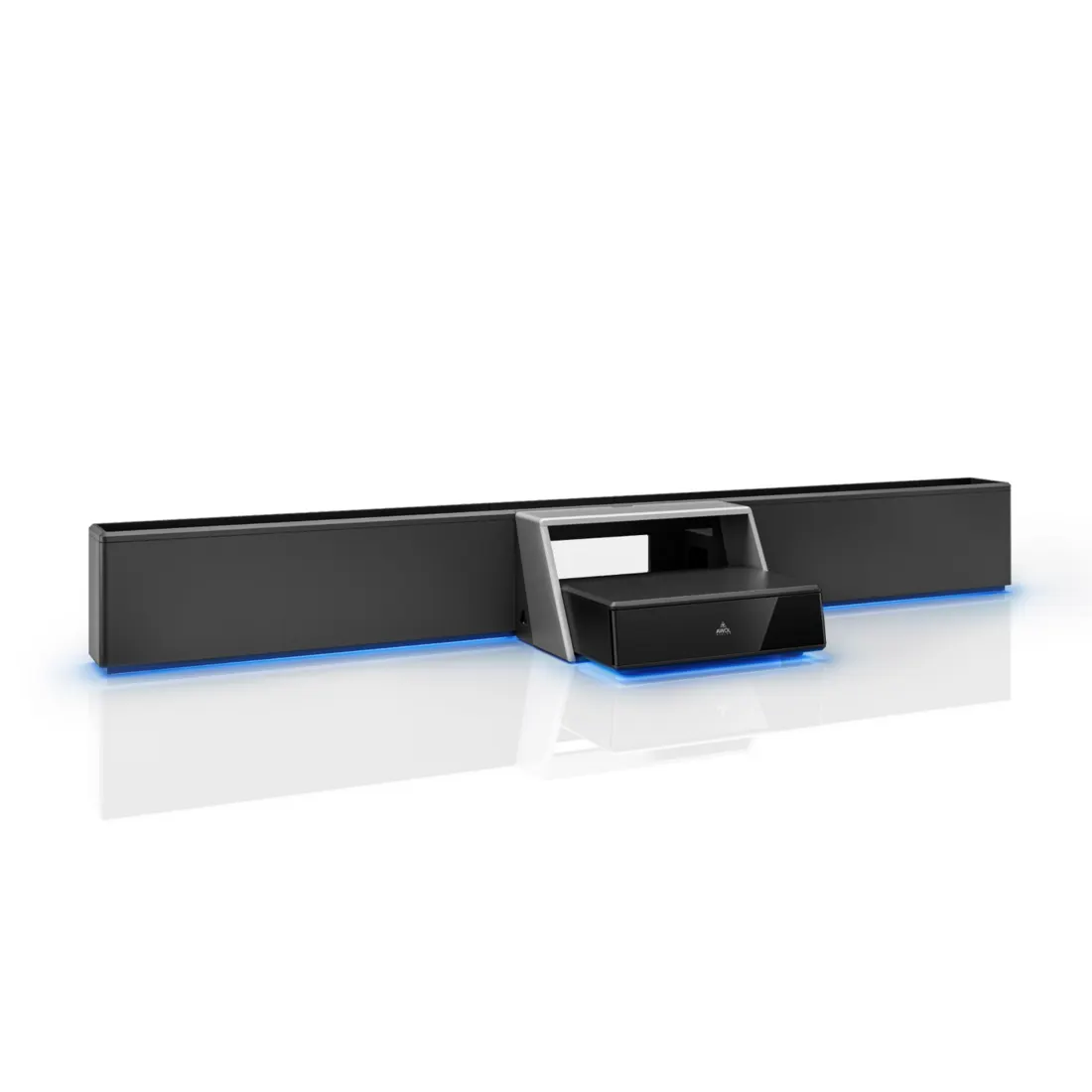
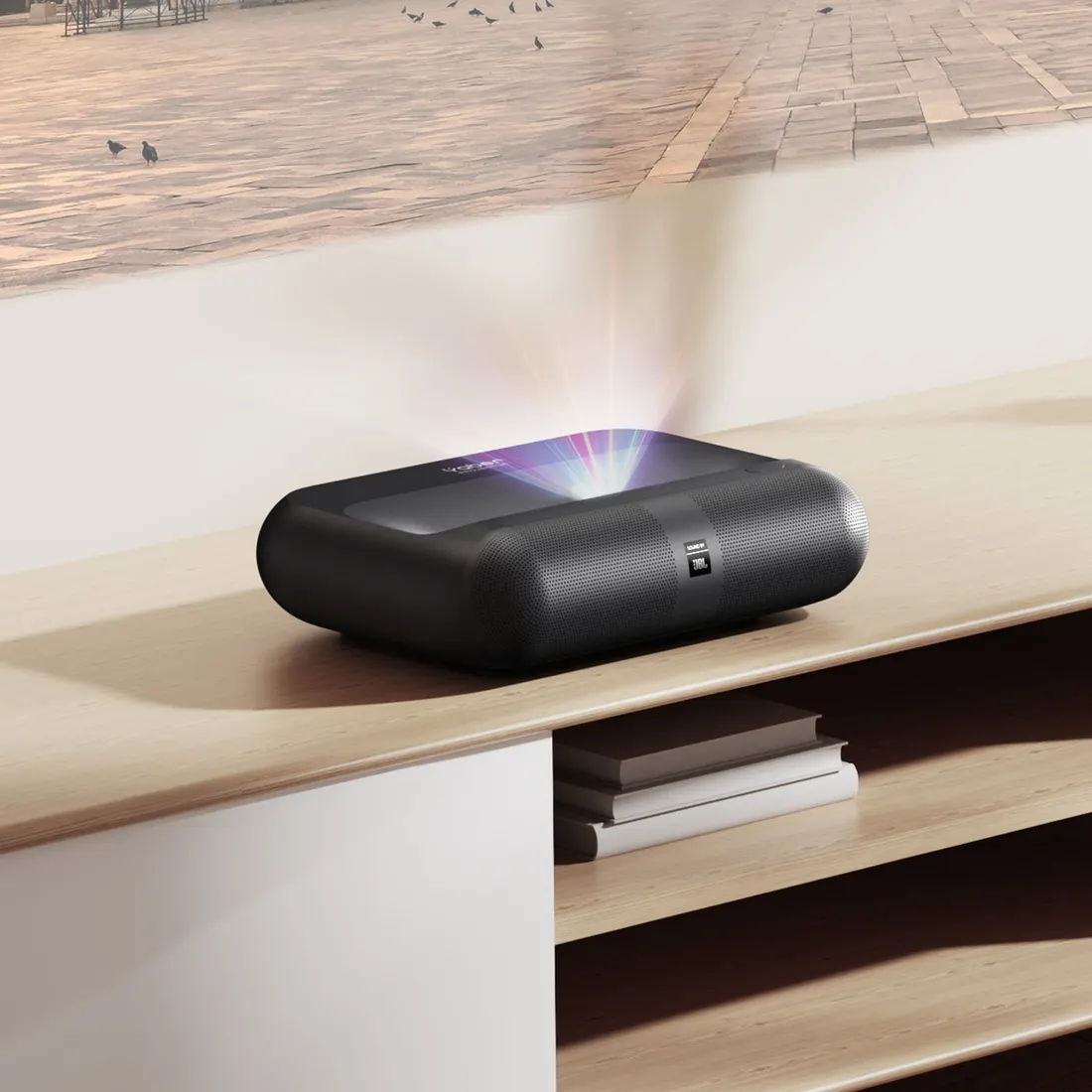
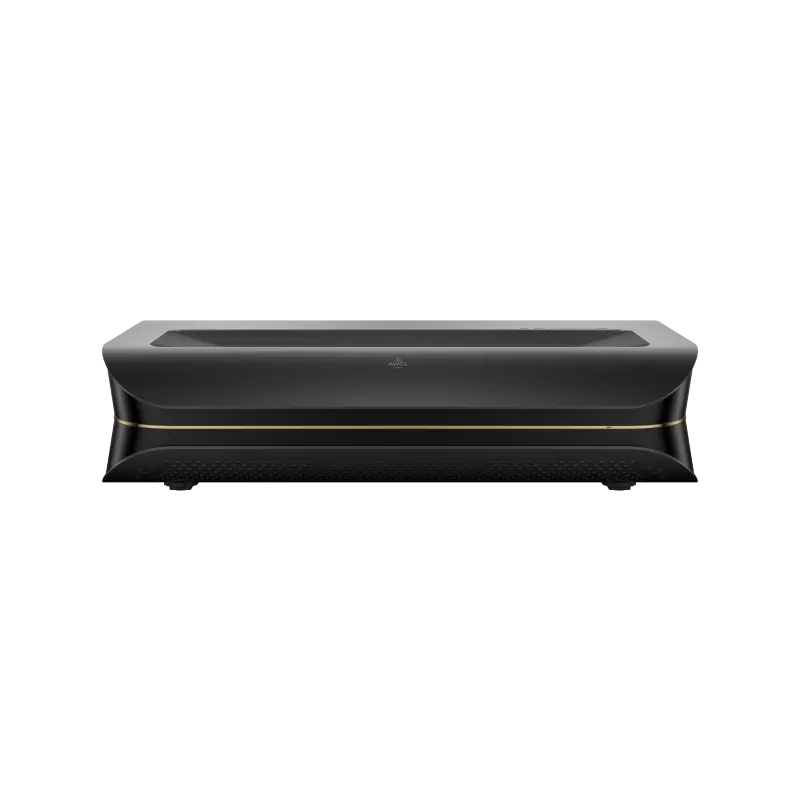
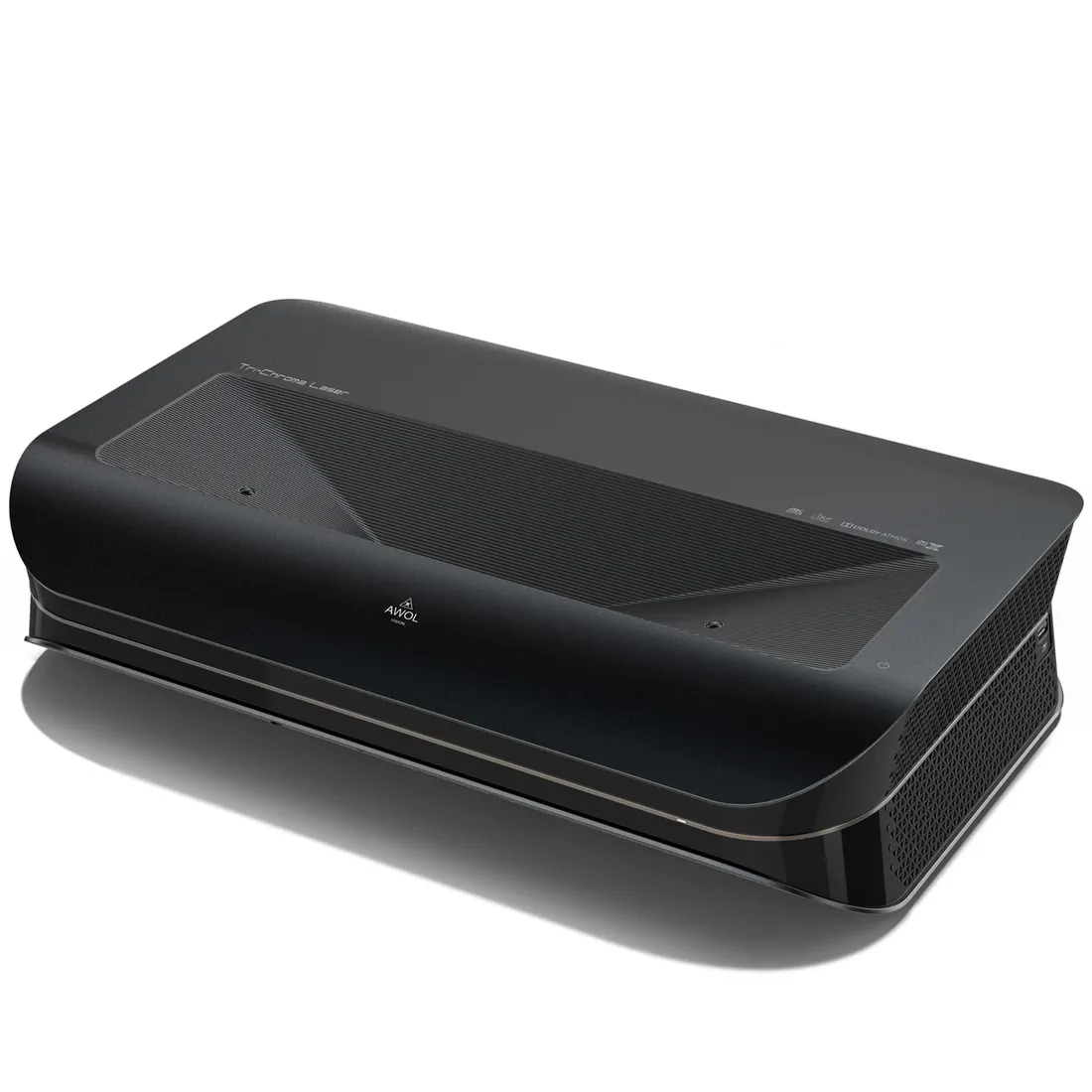
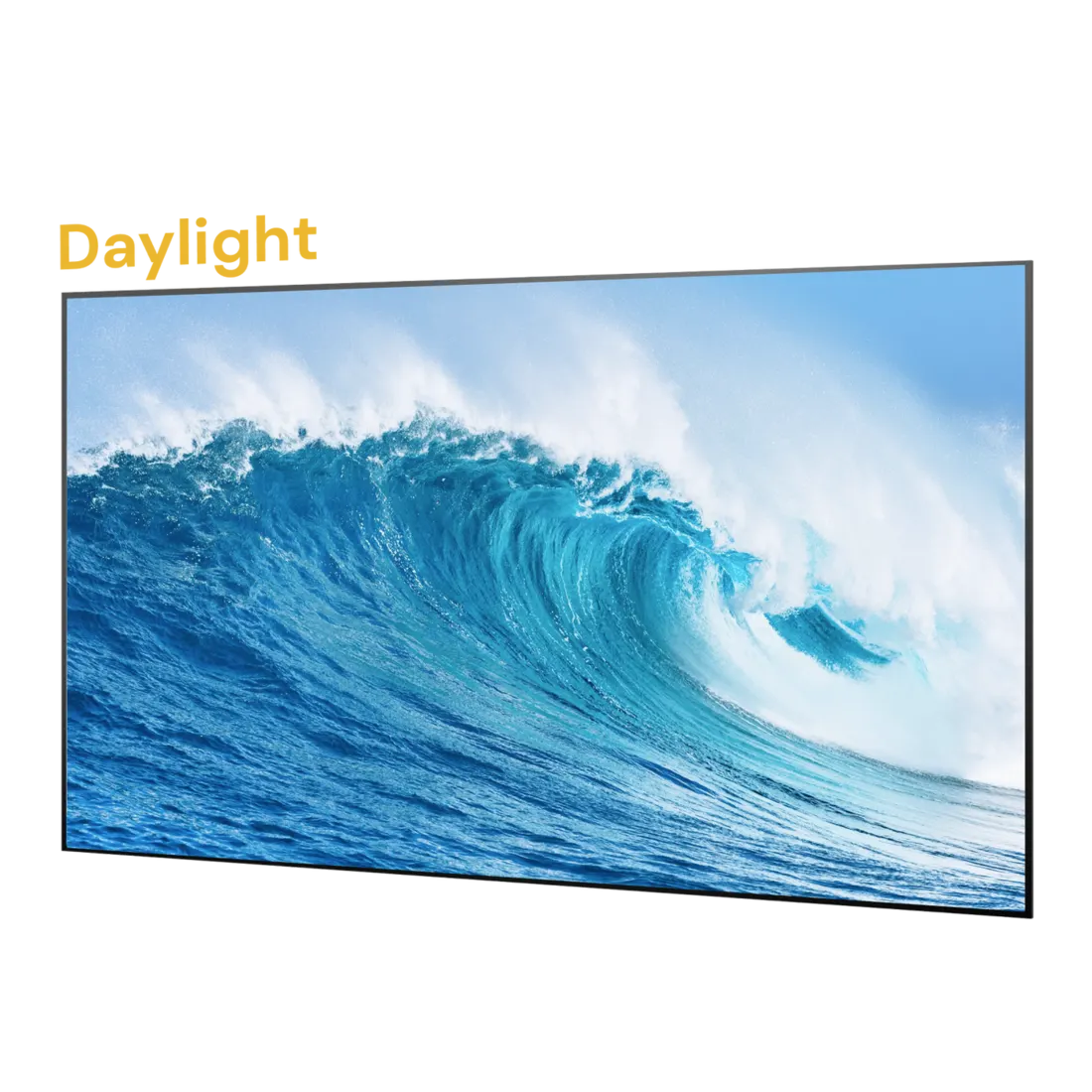
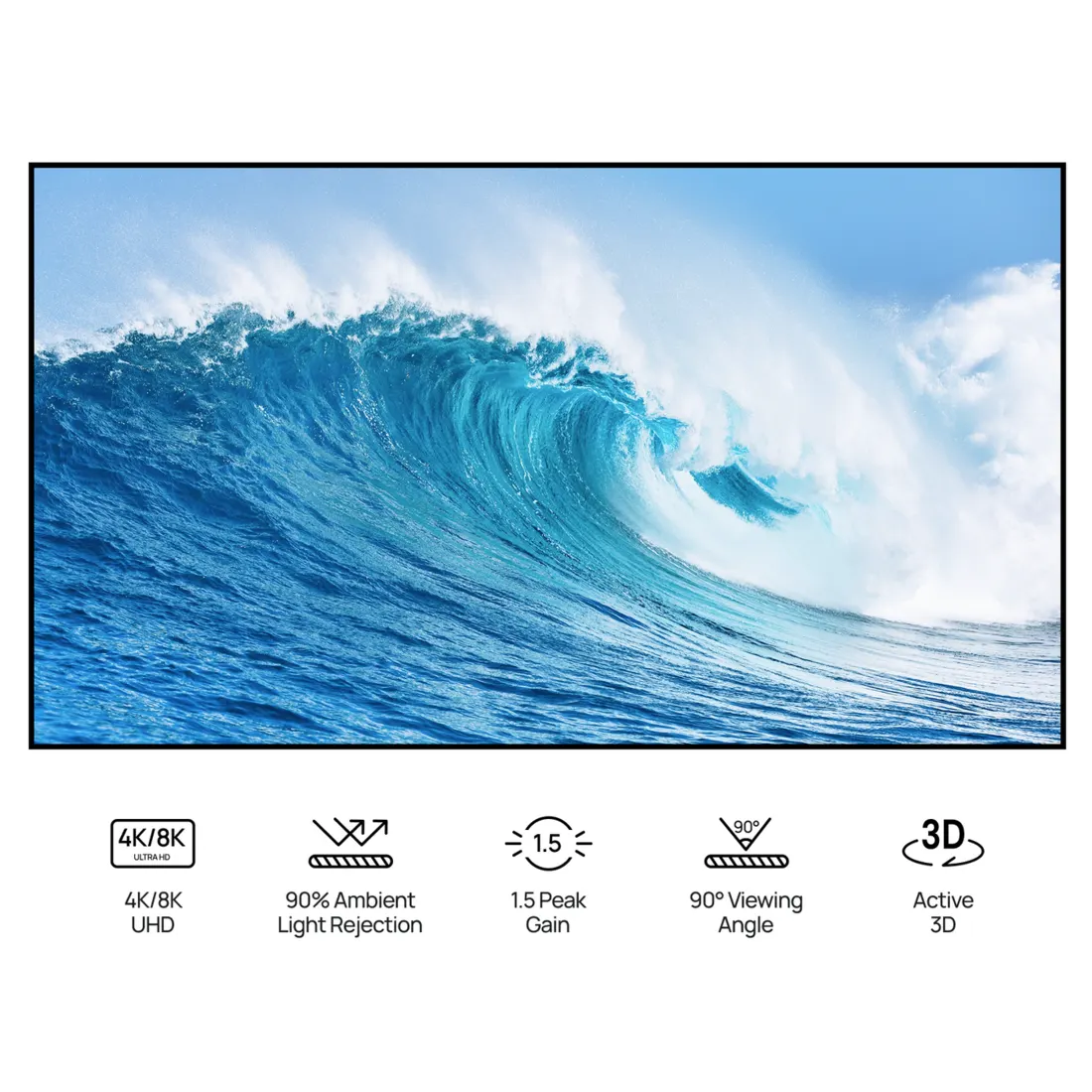
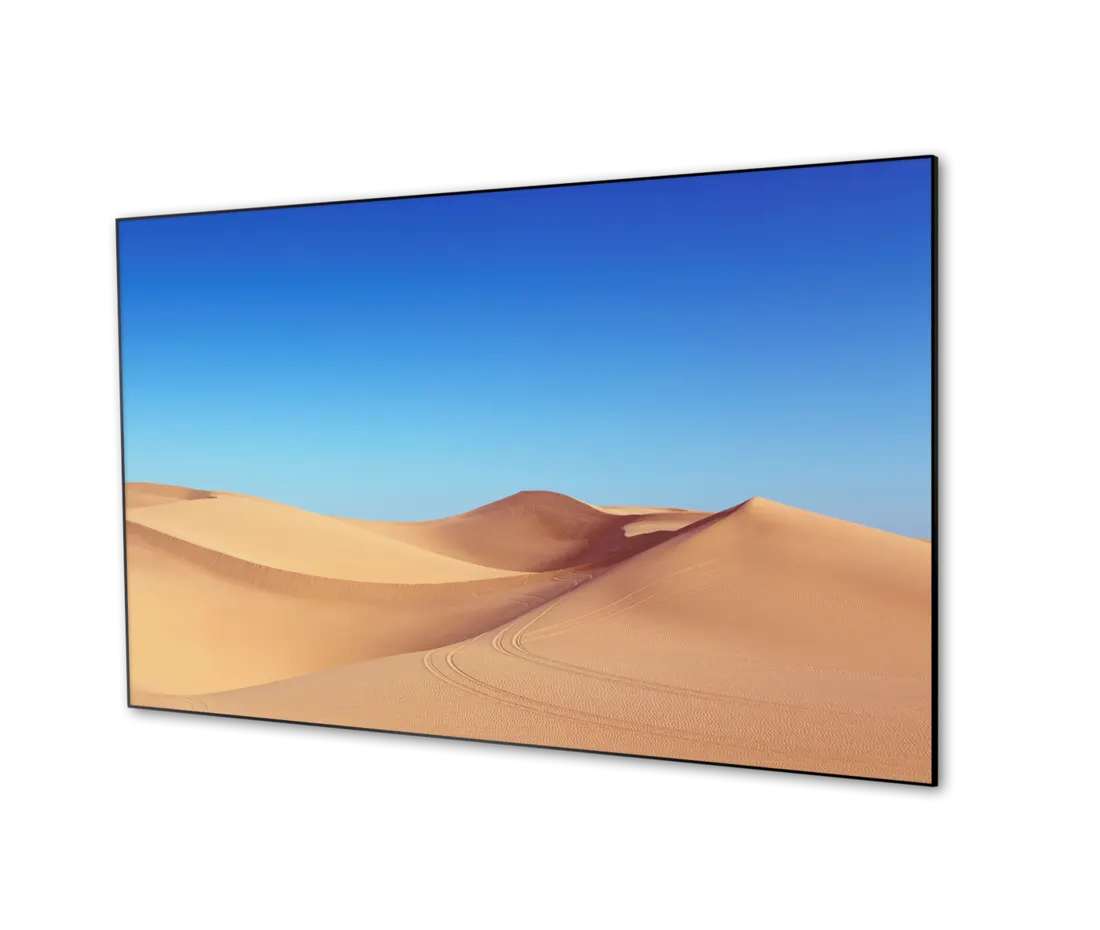
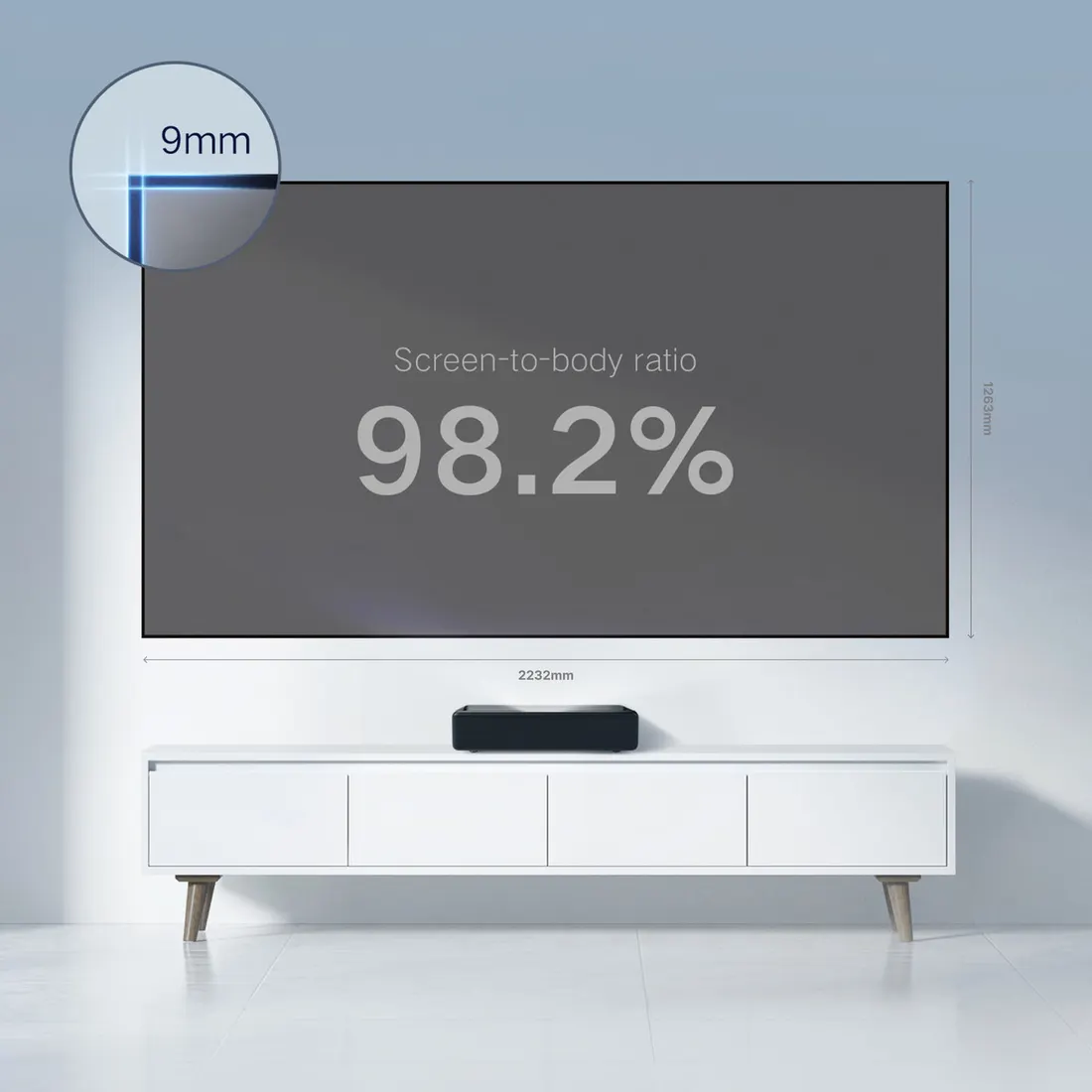
Ultra short throw is the only honest answer here: the projector sits on the sideboard, 22–30 cm from the wall, and nobody walks through the beam. Pair it with a lenticular ALR screen and the picture survives a south-facing window at 3 pm.
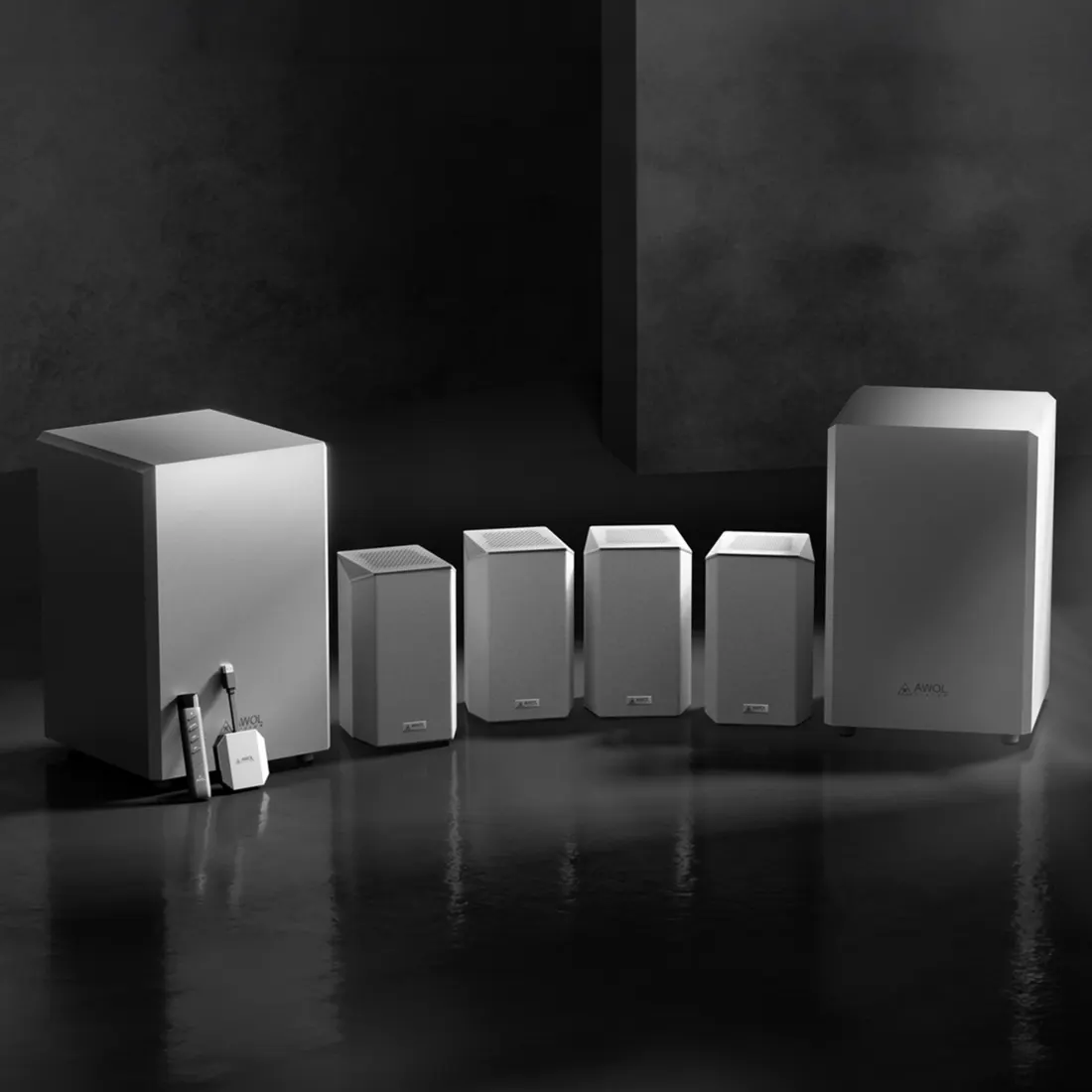
Black walls, controlled light, one job: contrast.
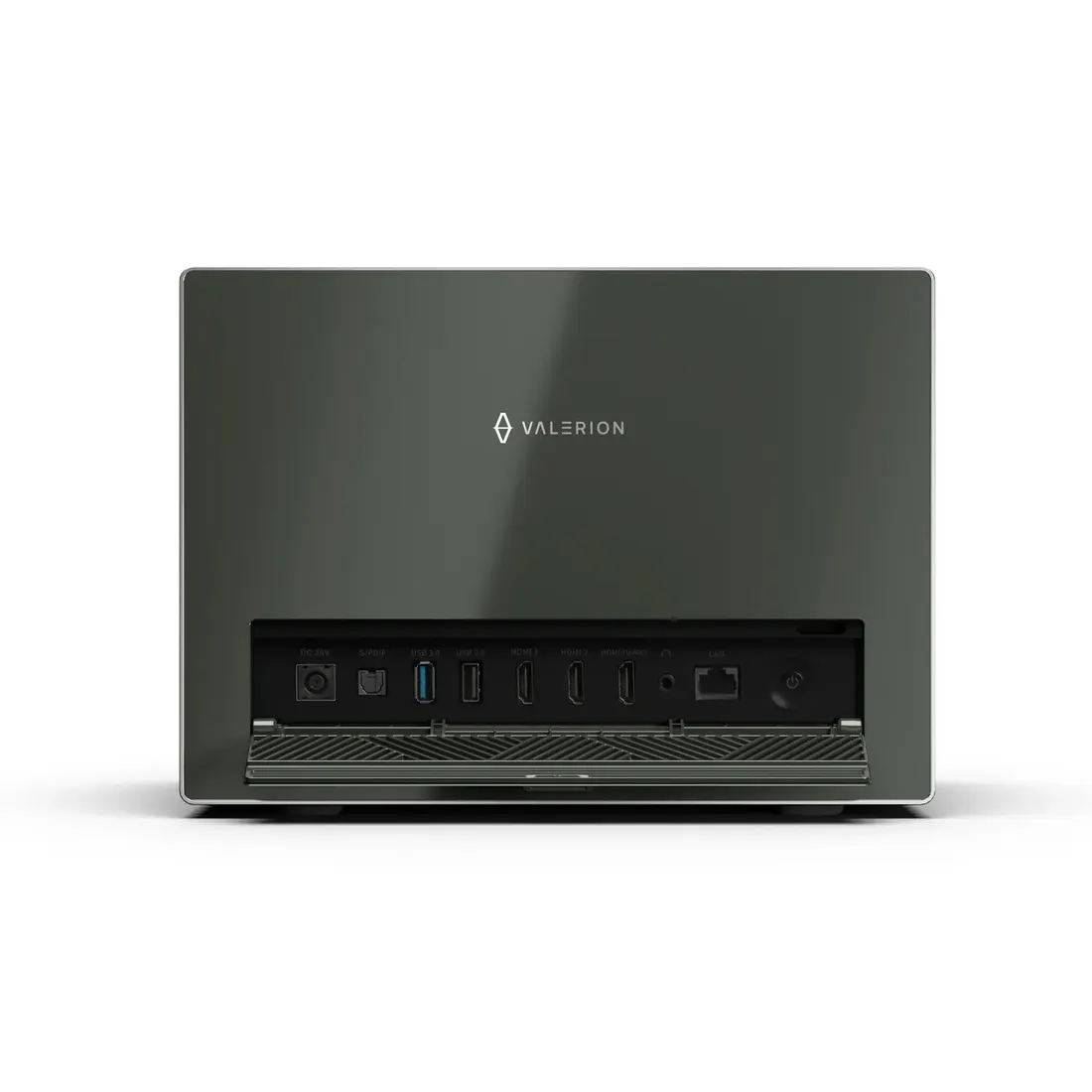
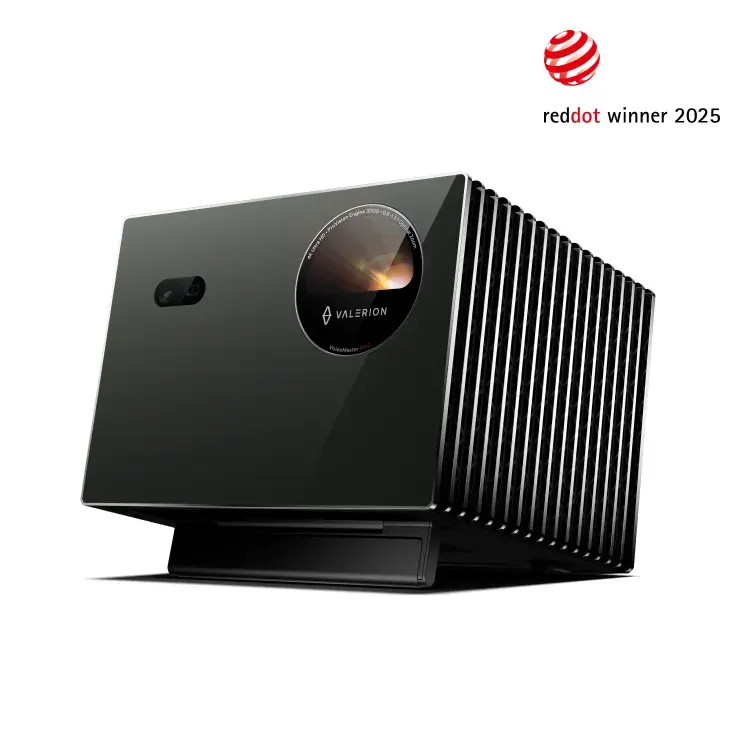
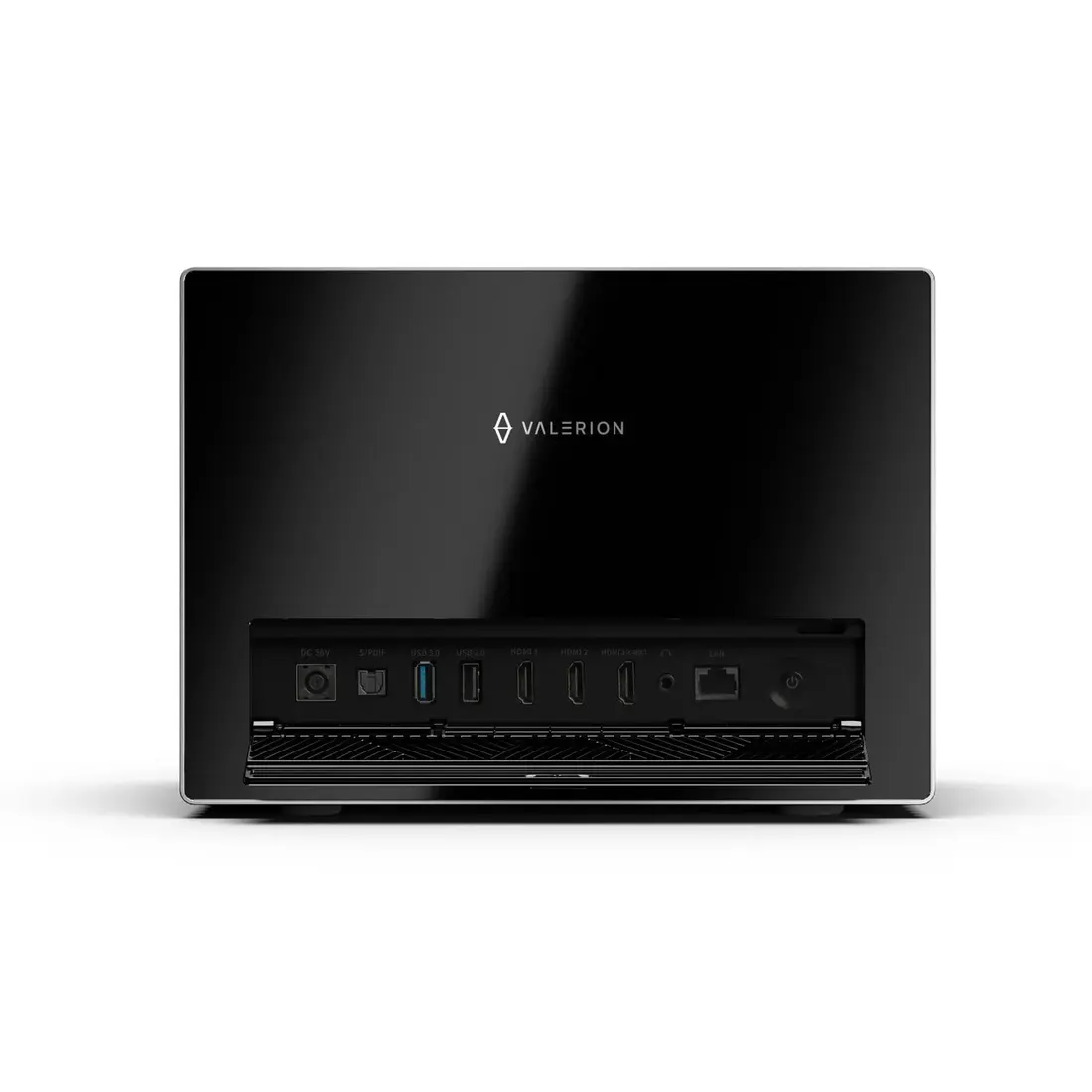
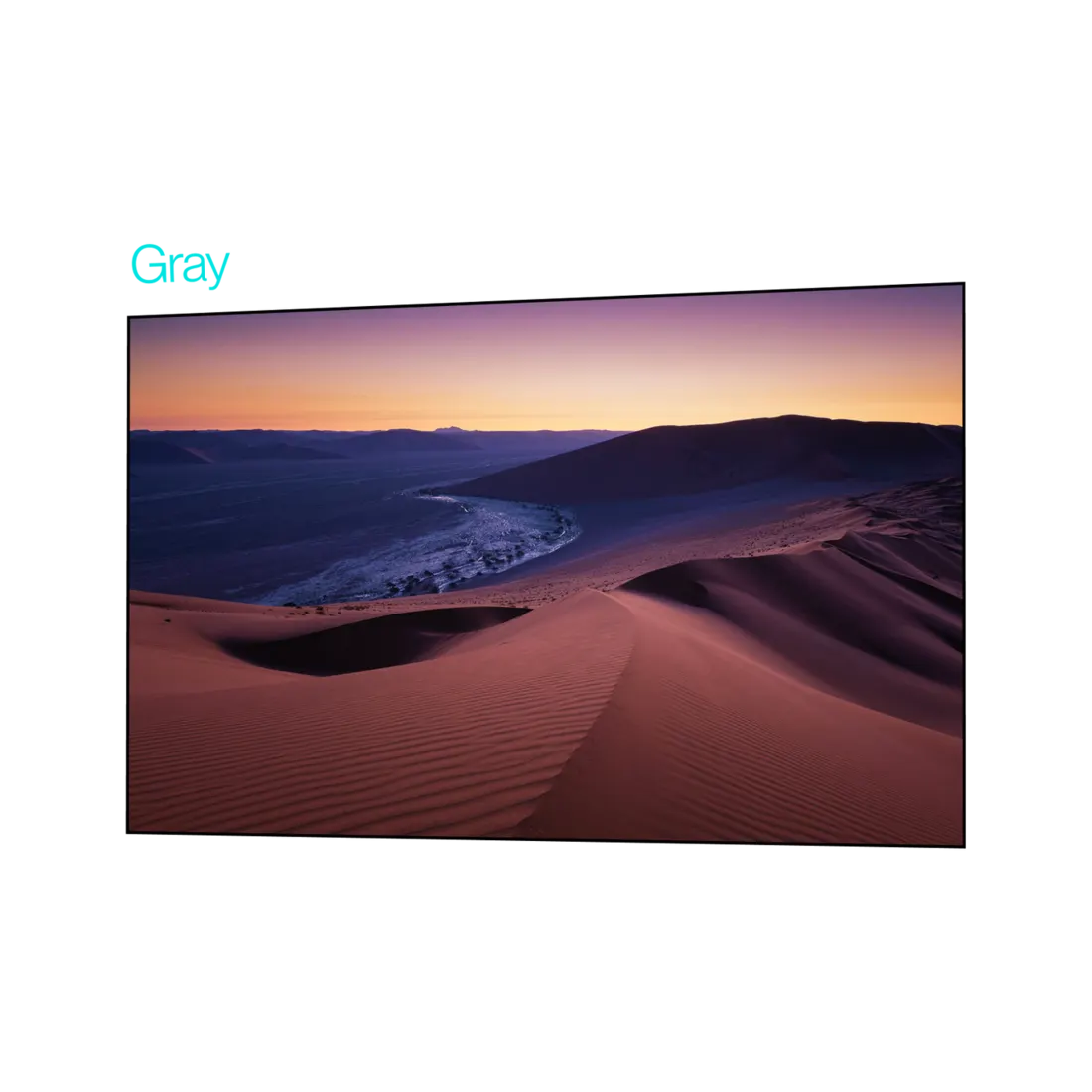
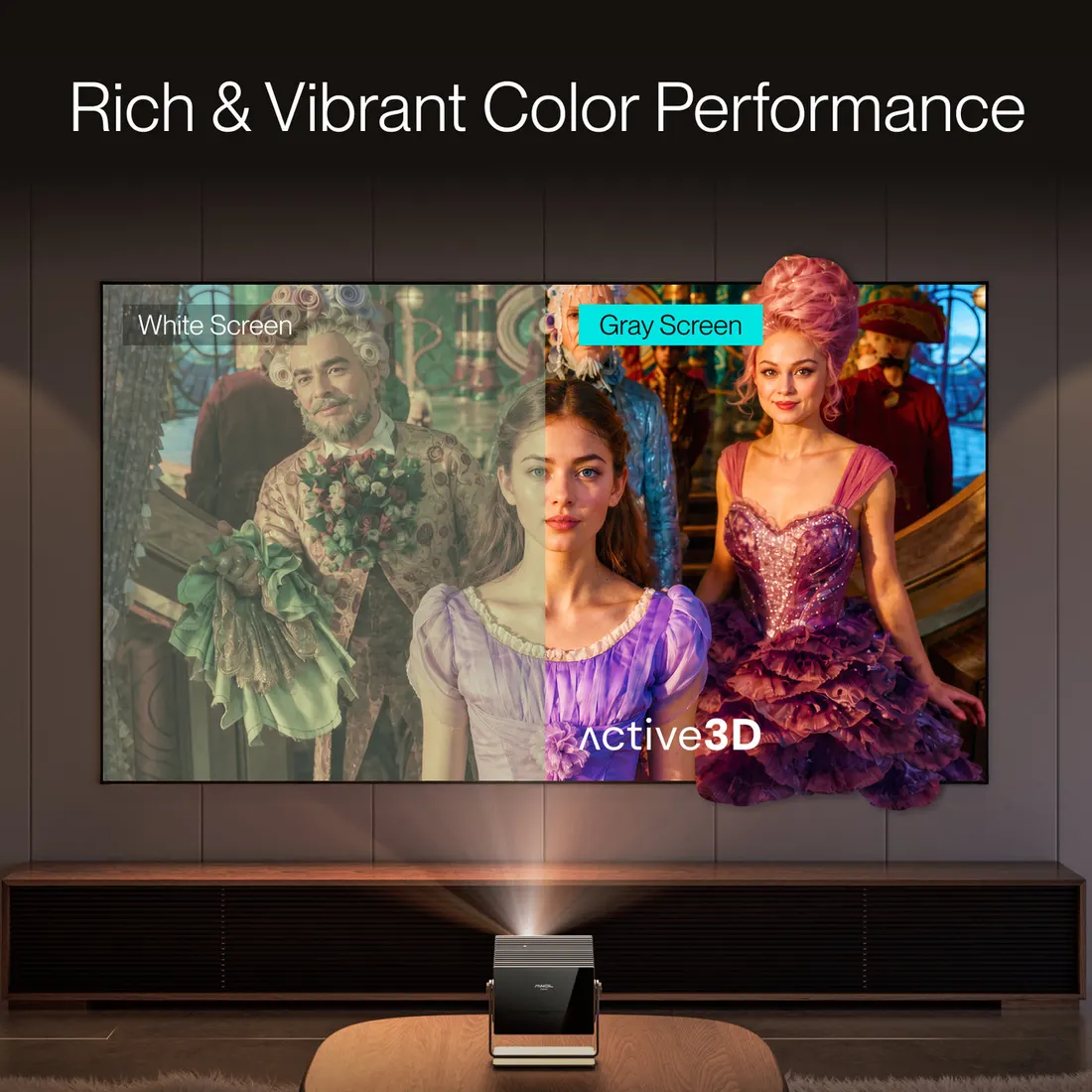
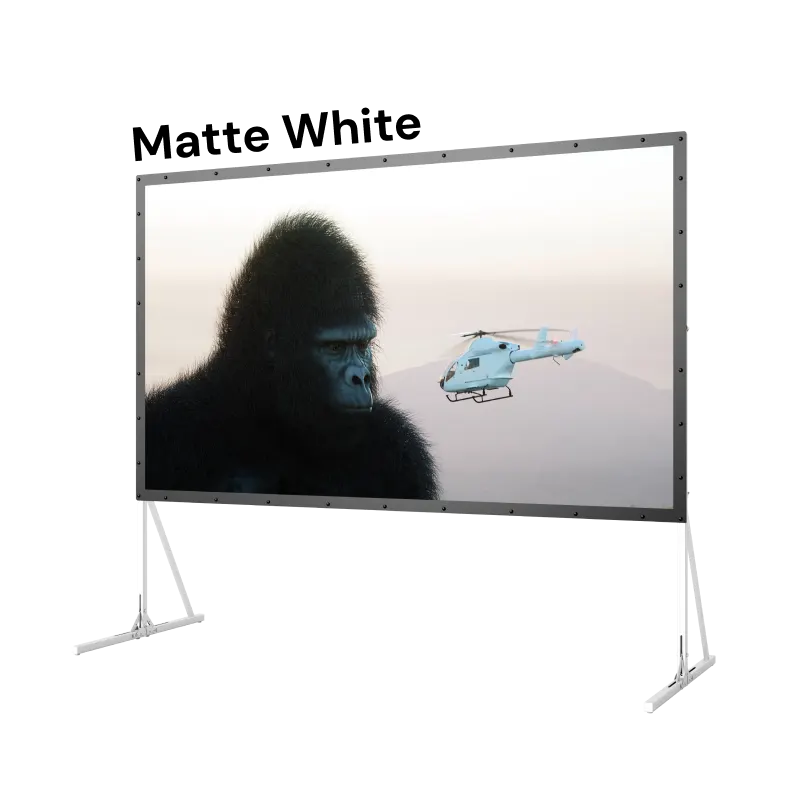
With the lights off, ALR screens work against you. Go long-throw RGB laser onto a matte white or grey 1.0-gain screen, ceiling-mounted behind the seating, with motorised lens shift so the rack can sit wherever it fits.
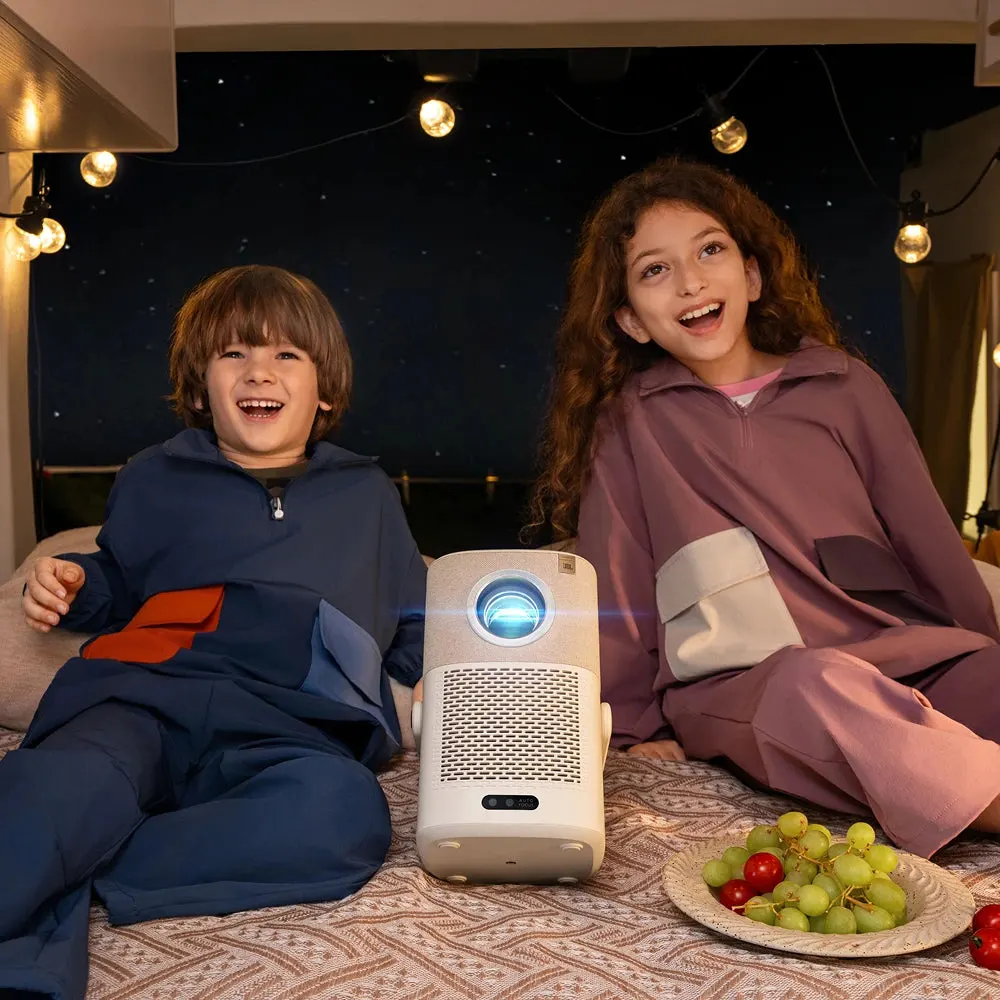
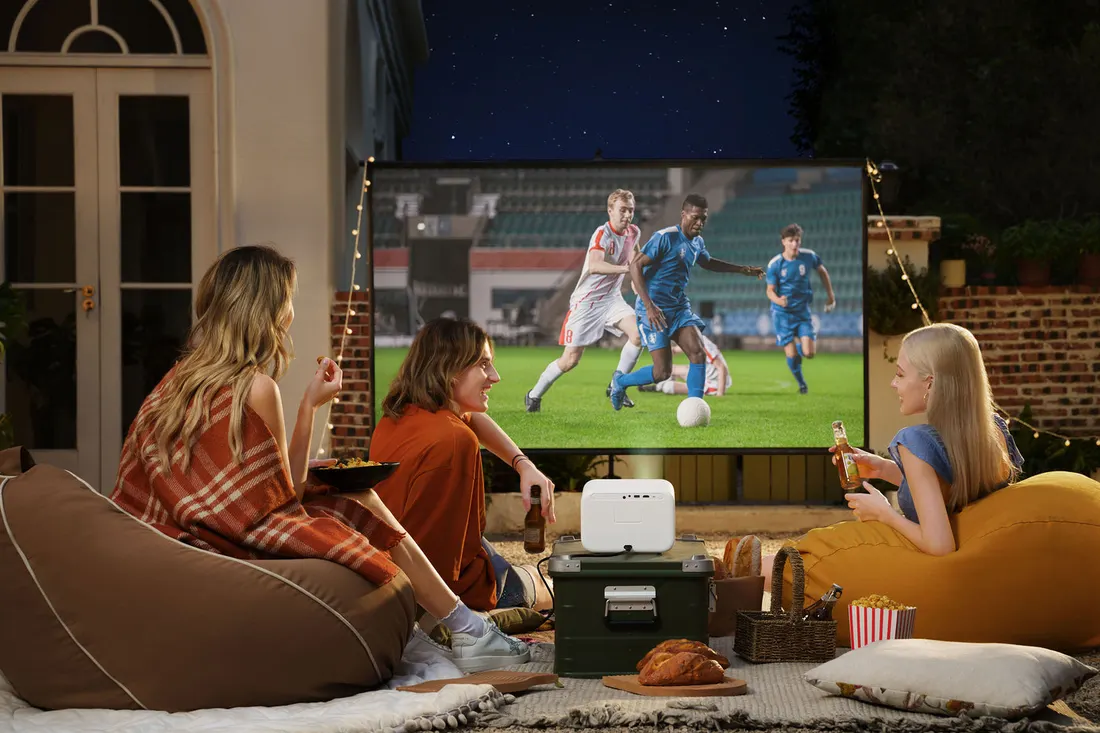
Set up at seven, packed away by midnight.
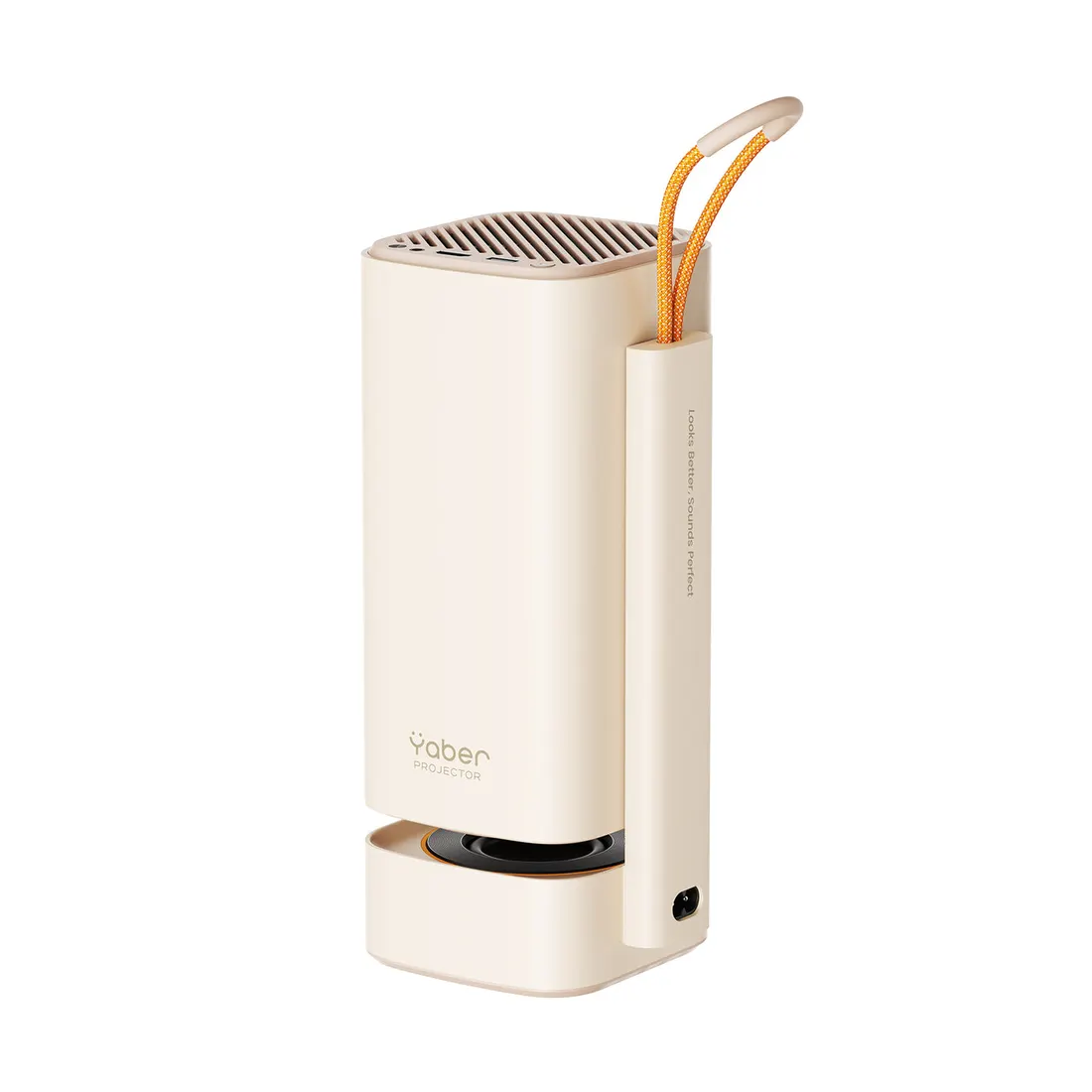
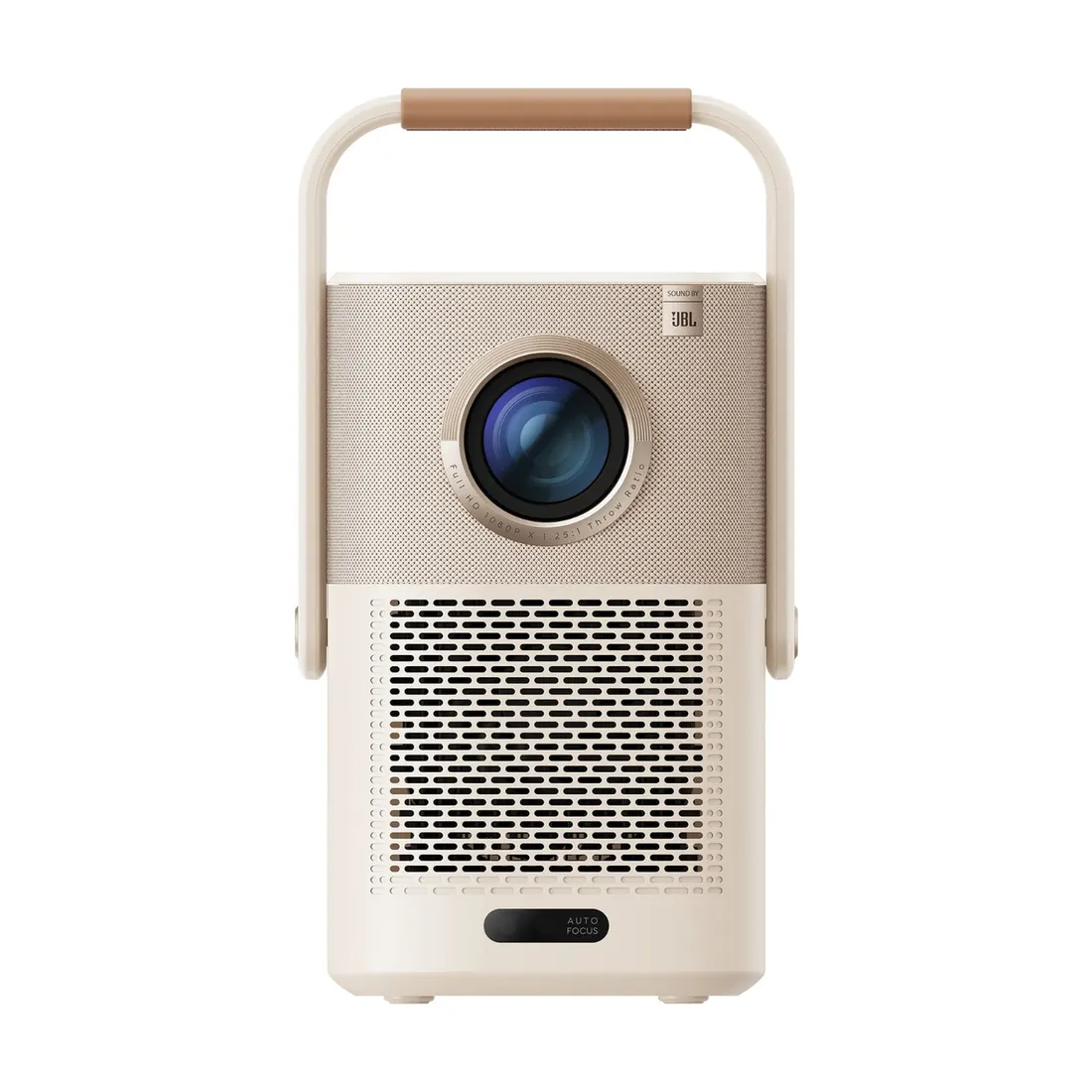
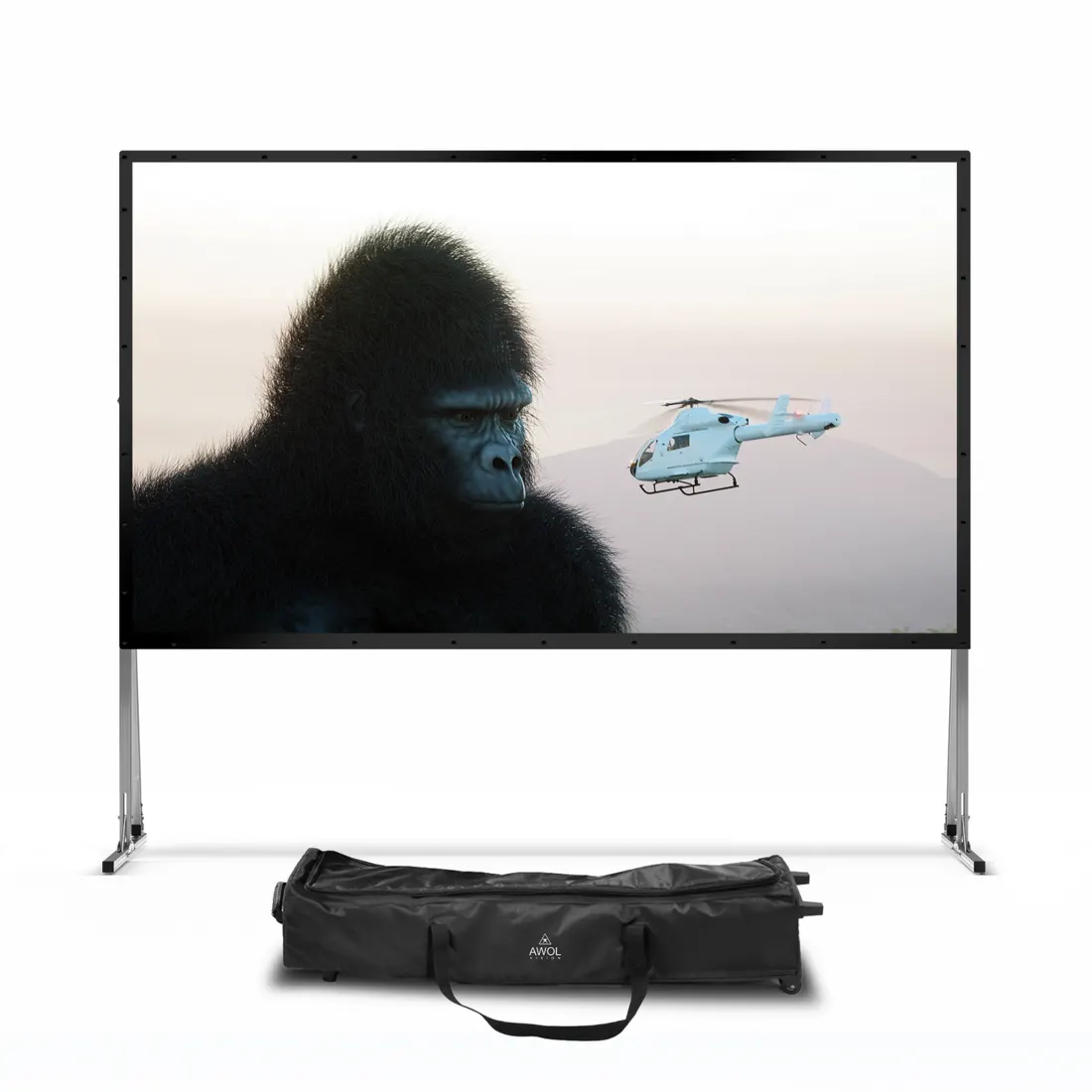
Brightness matters less than battery, weight and how fast it focuses. A 1080p portable at 400–600 lumens looks great once the sun is down; the fold-out frame screen beats a bedsheet by a wider margin than any spec on the box.
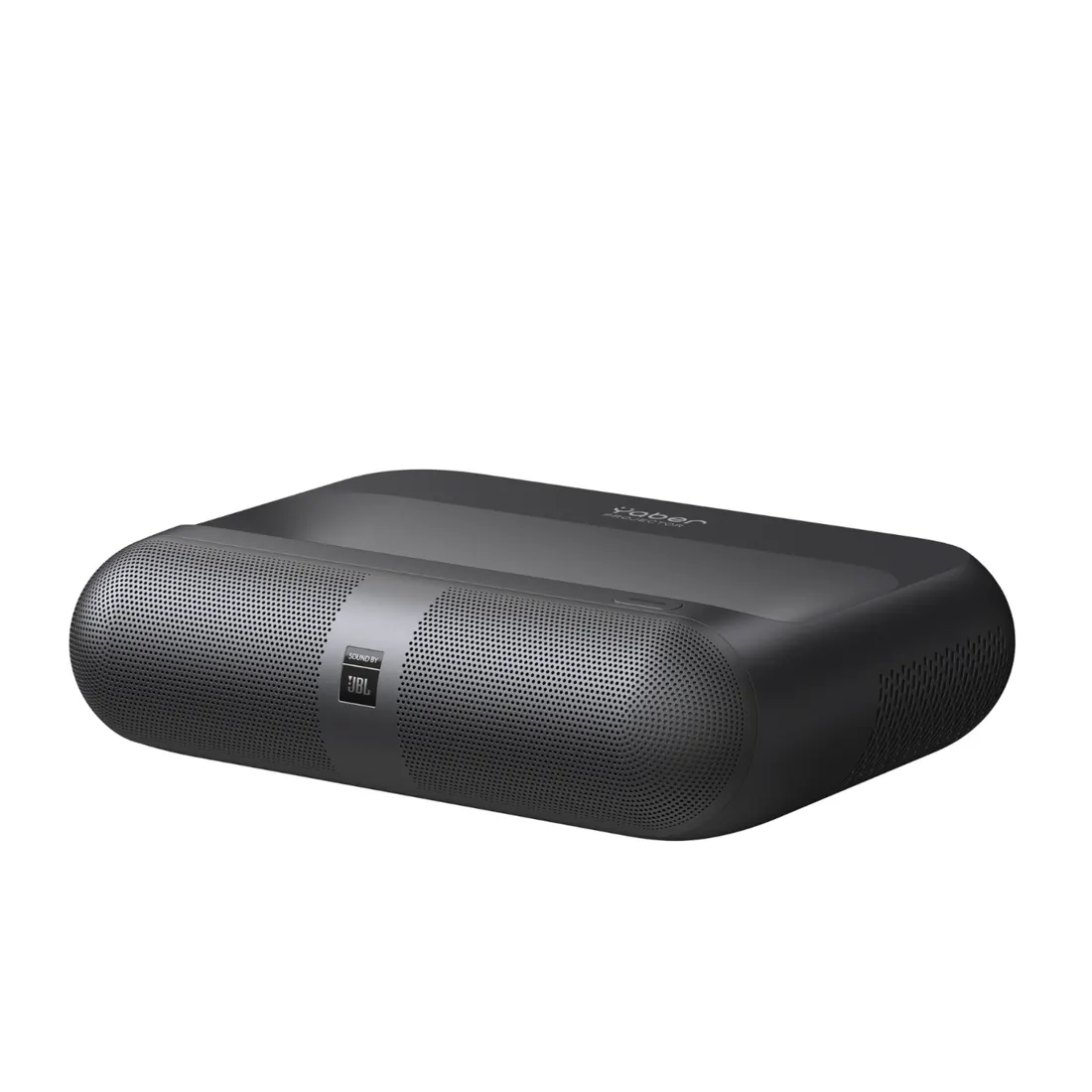
120 Hz or it does not count.
Input lag is the spec to chase — under 20 ms at 4K/120 with ALLM. Long-throw gives you the size without the geometry compromises, and a 0.9-gain grey screen keeps HDR highlights from clipping.
Quiet, small, and off the floor.
Under 28 dB(A) so it does not hum through a film, auto-keystone so it can sit on a nightstand at an angle, and a sleep timer that actually cuts the laser. Ceiling mounting keeps the footprint at zero.
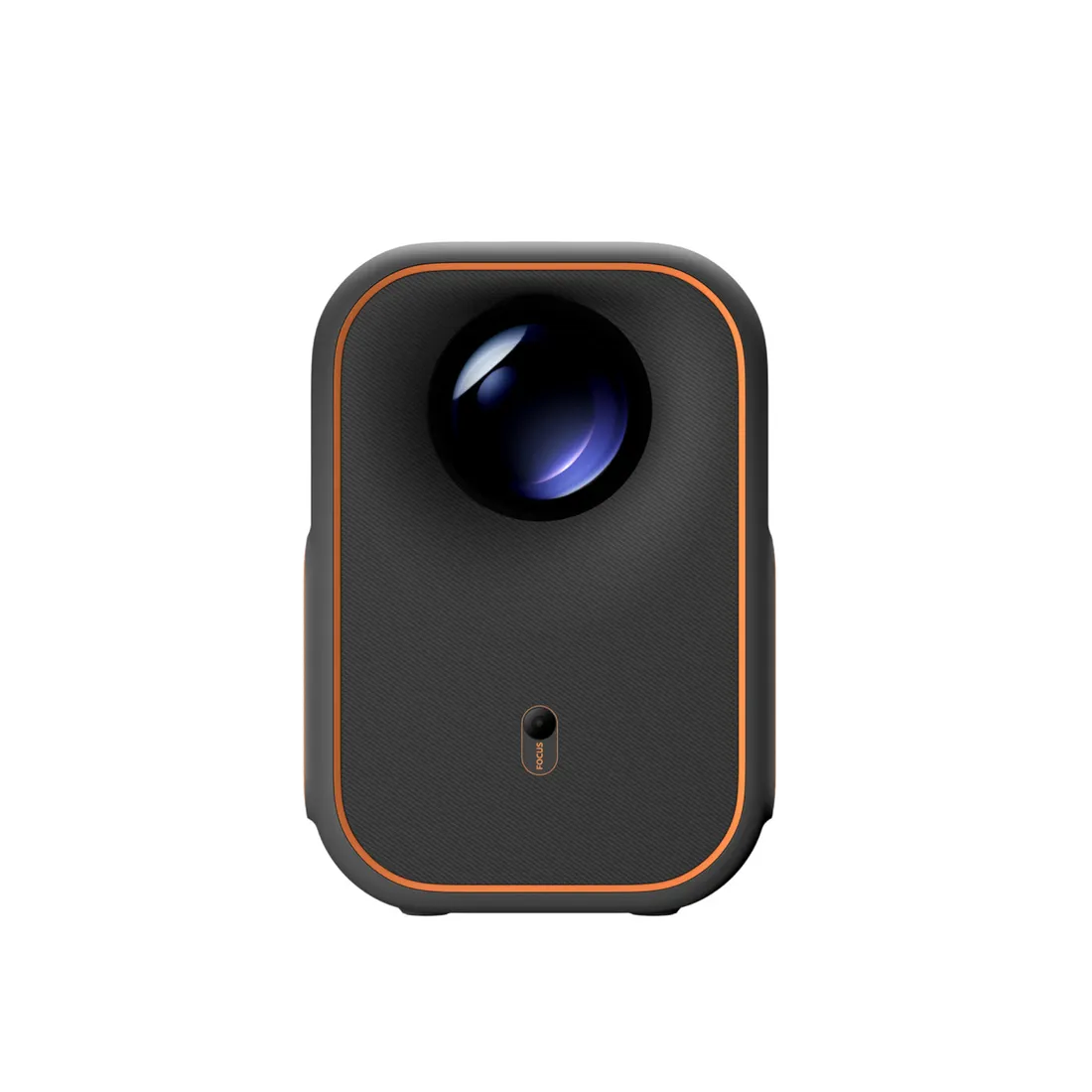
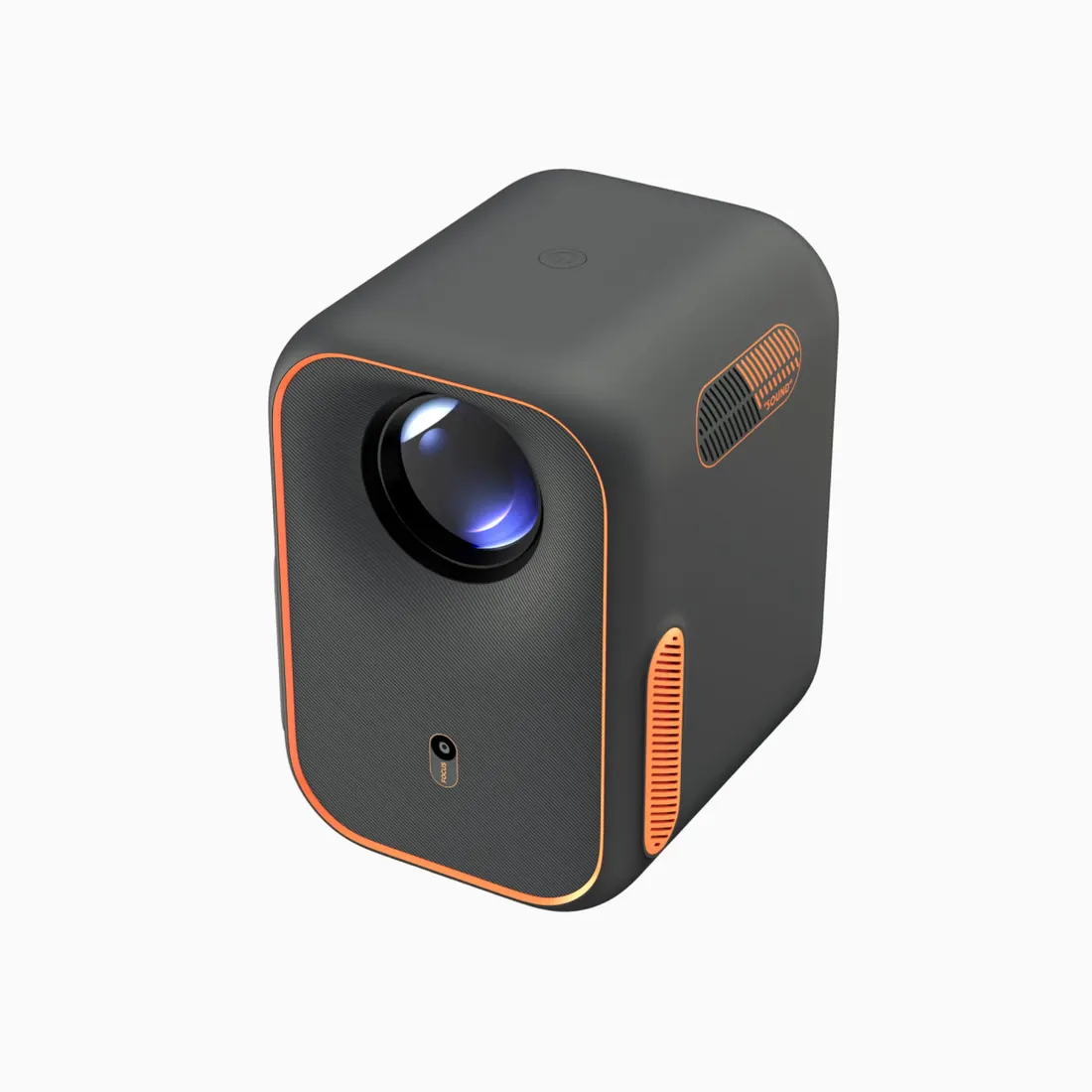
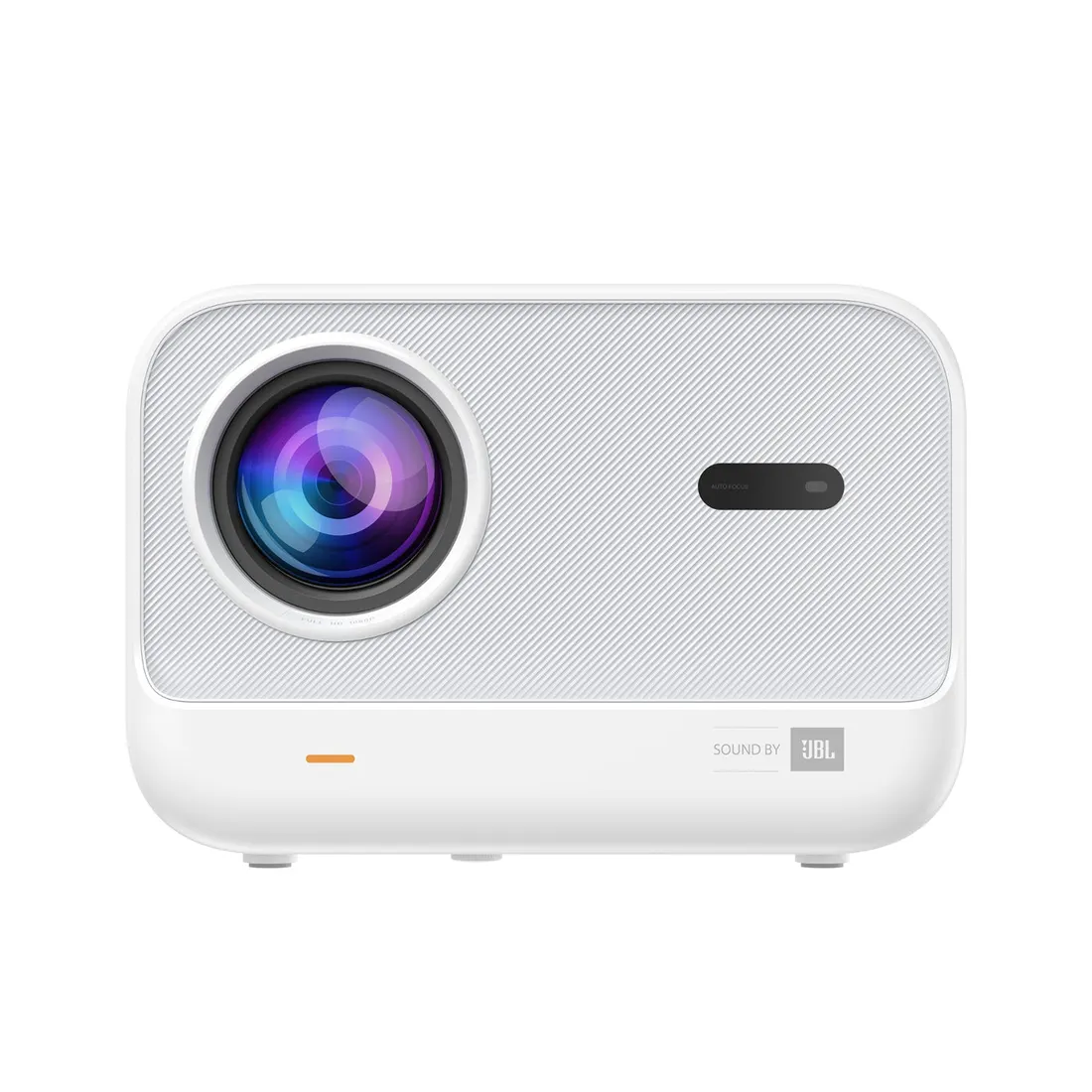
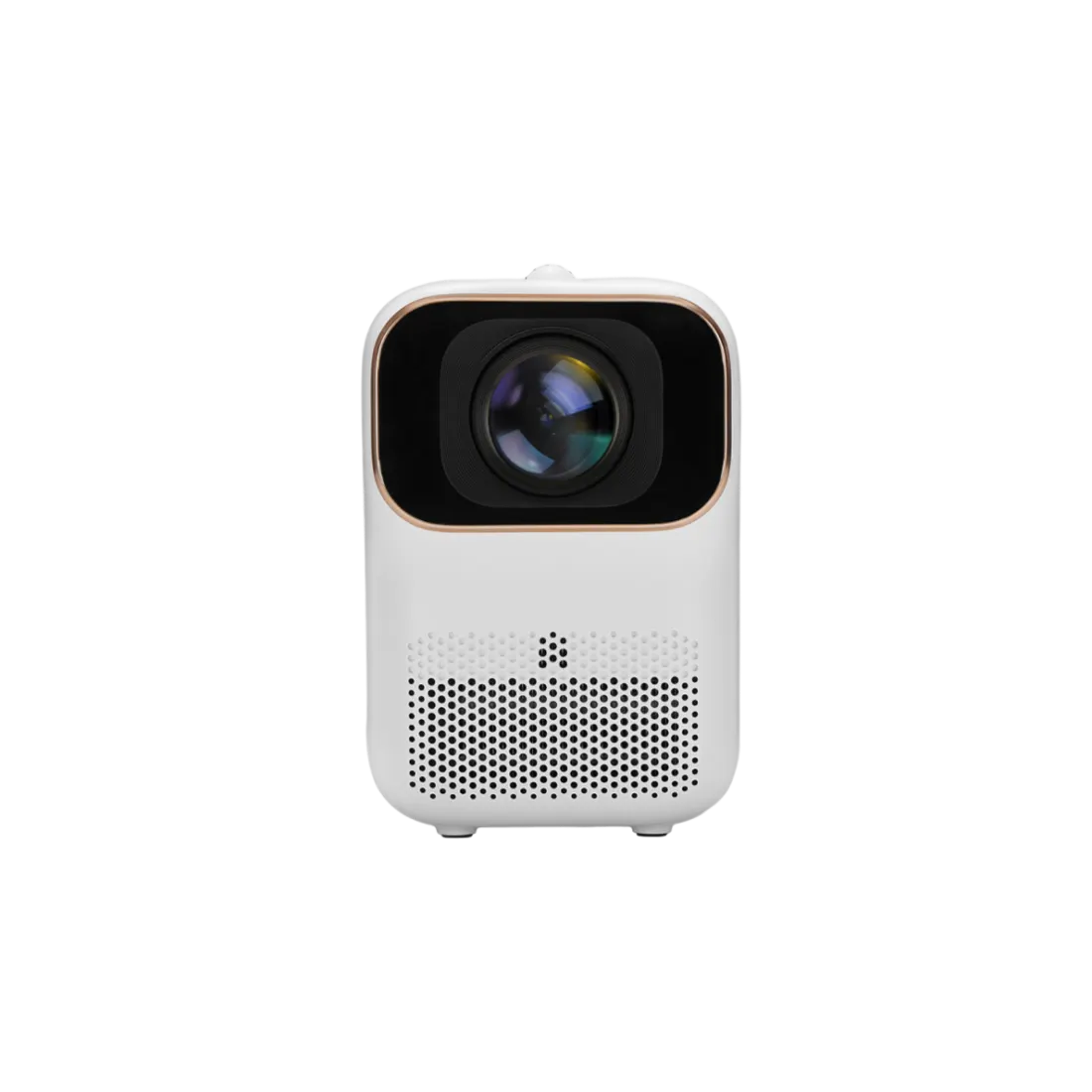
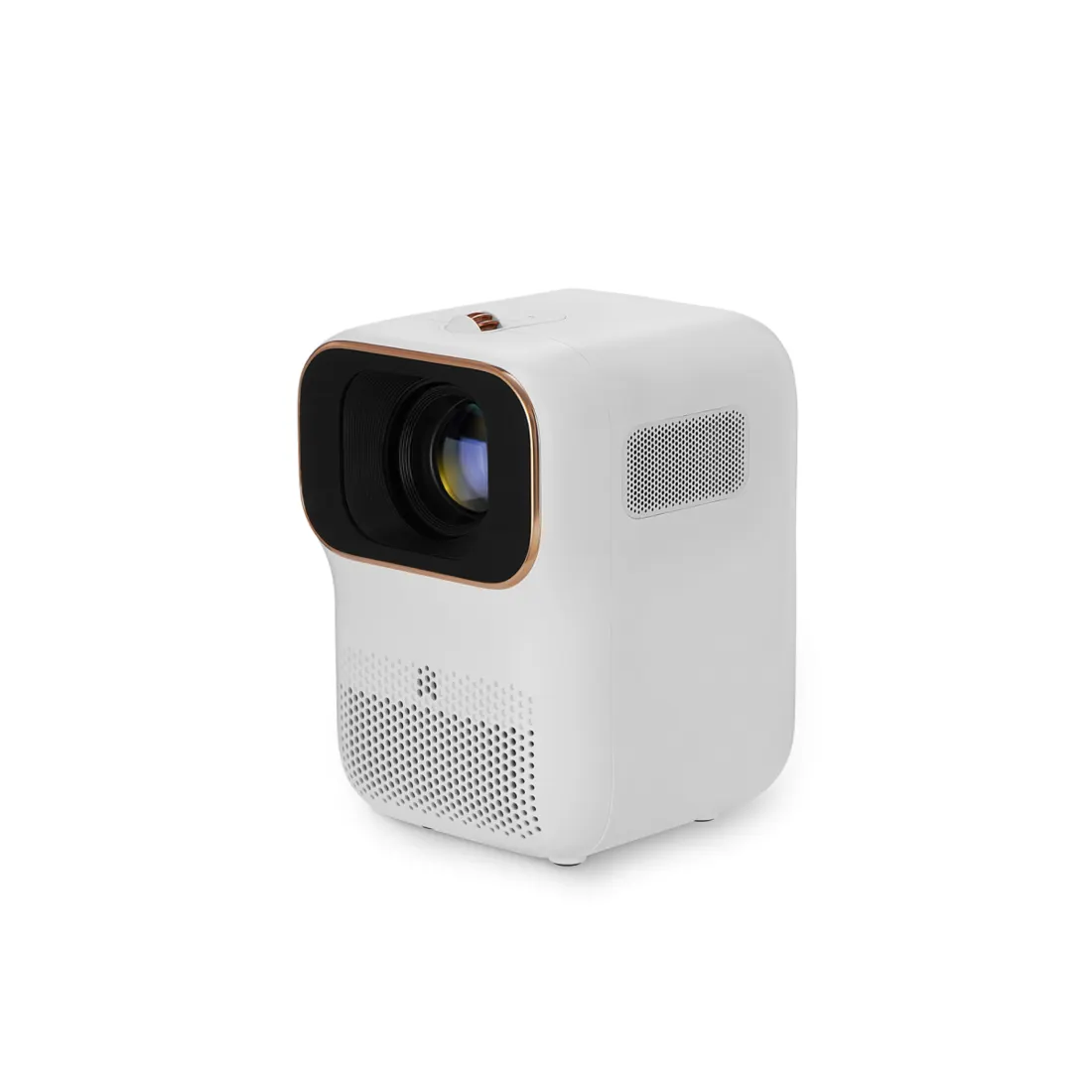
12 V in, 1.6 kg out.
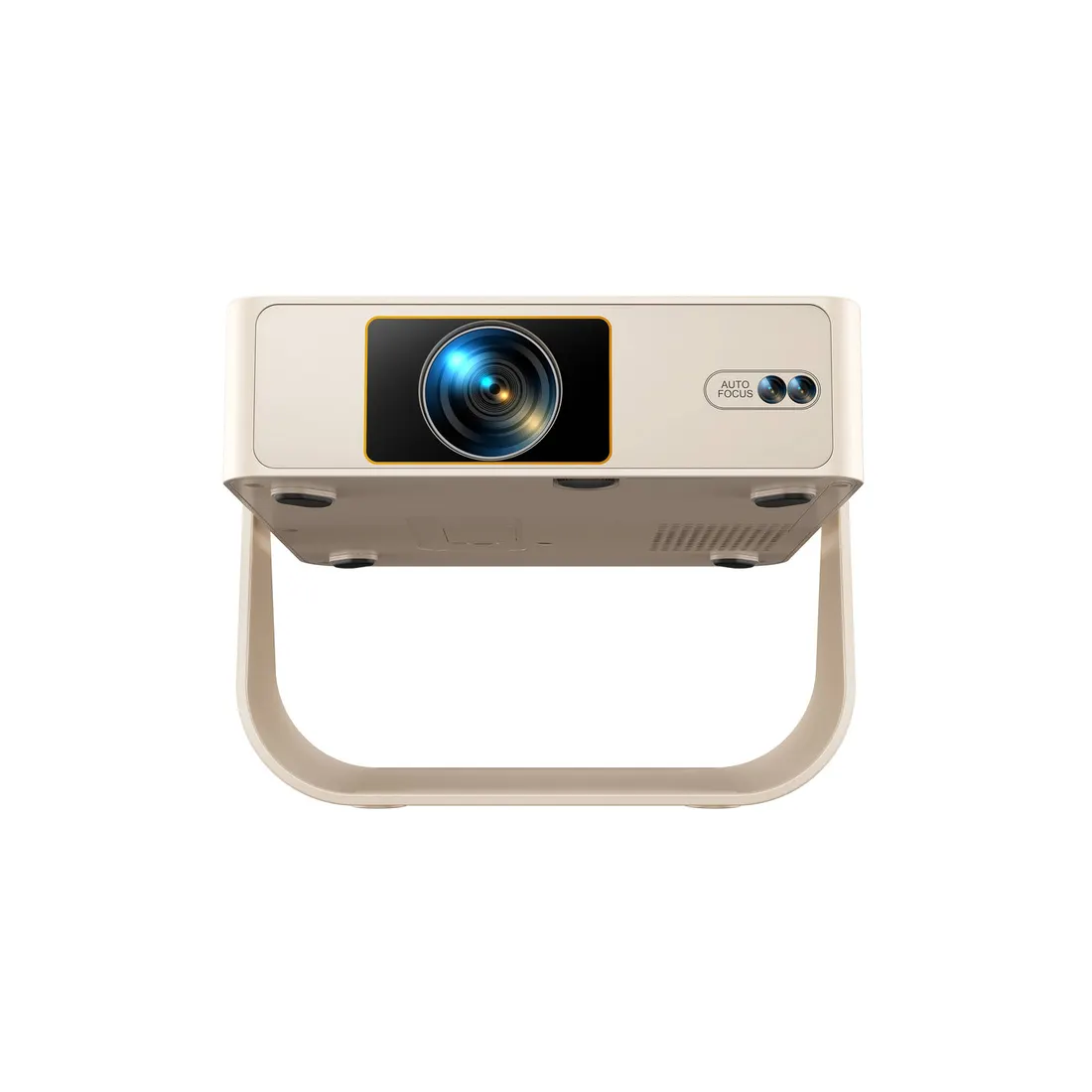
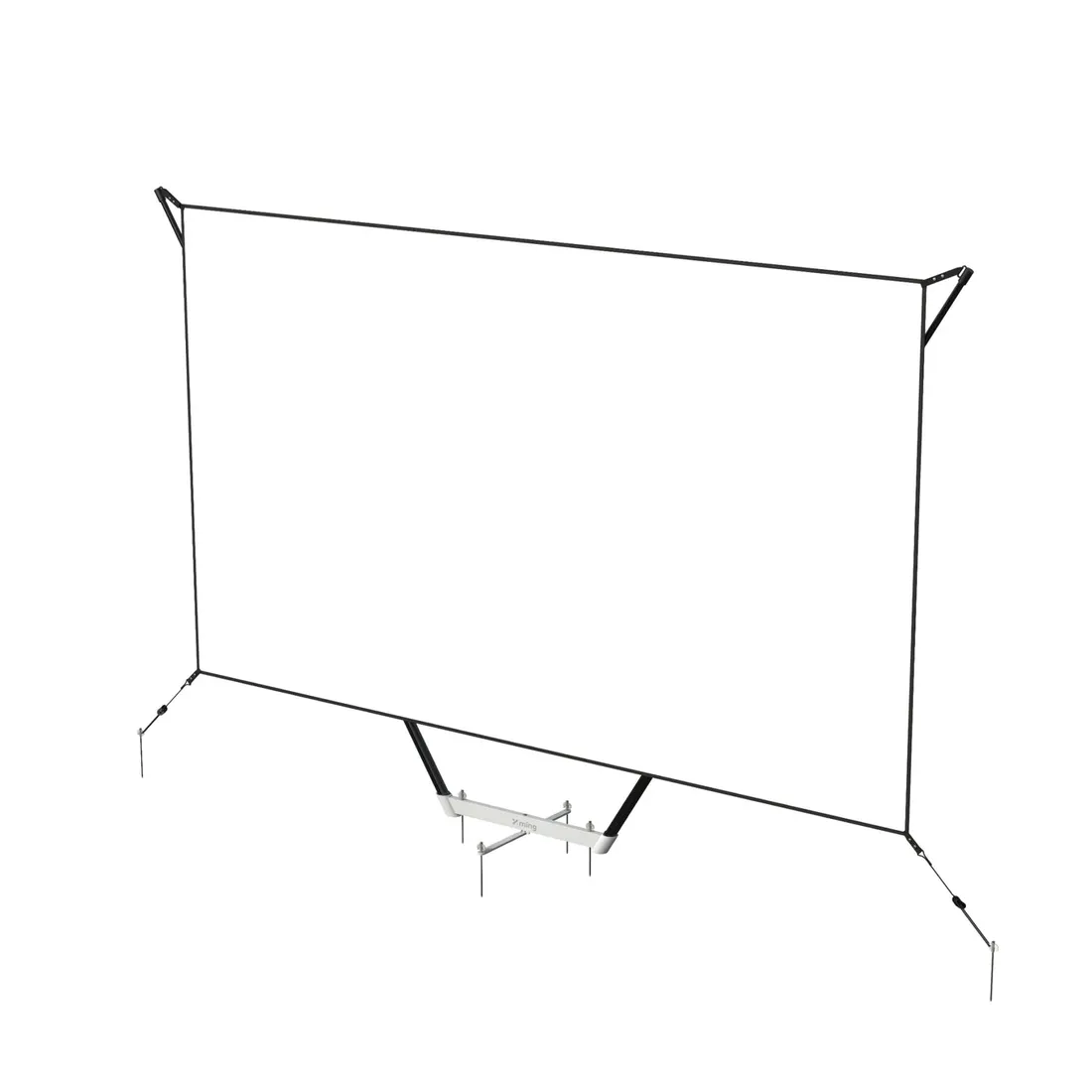
USB-C PD power means it runs off the same battery bank as everything else. Auto-focus and obstacle avoidance matter more than lumens when the surface is a curved van wall.
Launch alerts, firmware notes and the occasional calibration guide. No more than twice a month.